Category: Children and Families
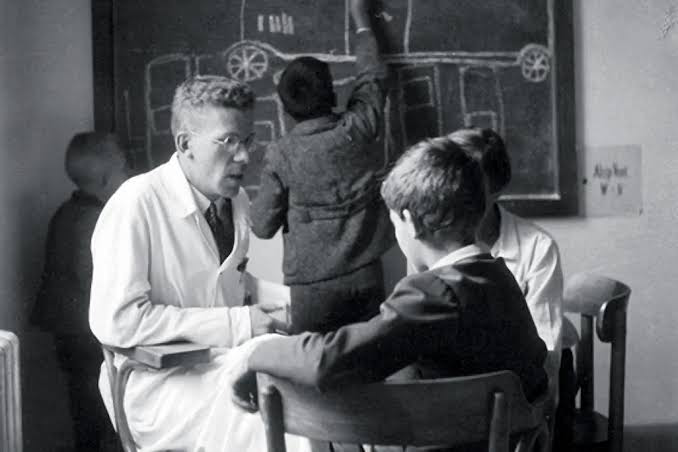
The history of autism: from Kanner and Asperger to autism spectrum disorder
Autism has been recognised and understood in many different ways over the past century. What began as descriptions of a small group of children with distinctive social…
Learn more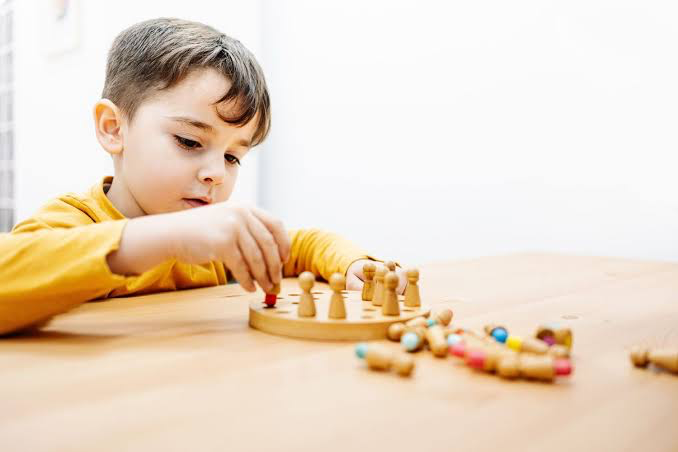
Understanding autism through different theories: monotropism, the double empathy problem and beyond
Autism has traditionally been explained using medical and psychological theories that sought to understand why autistic people think, communicate and behave differently from non-autistic people. Over the past 40…
Learn more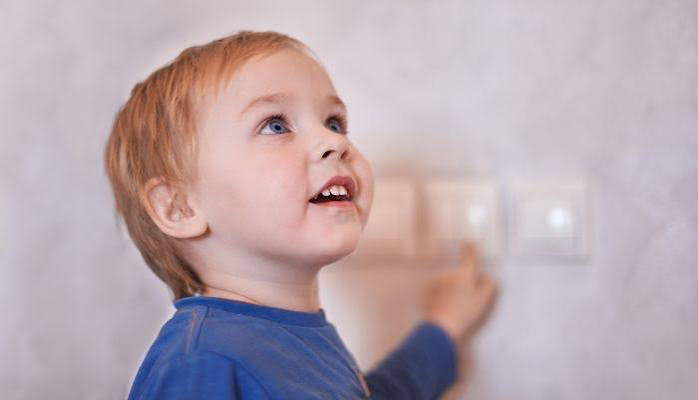
Stimming in autistic children: what it is, why it happens and how parents can respond
Many autistic children can be observed to ‘stim’. Parents might notice their child repeatedly flapping their hands, rocking back and forth, humming, spinning, pacing, or repeating certain sounds. These behaviours can sometimes…
Learn more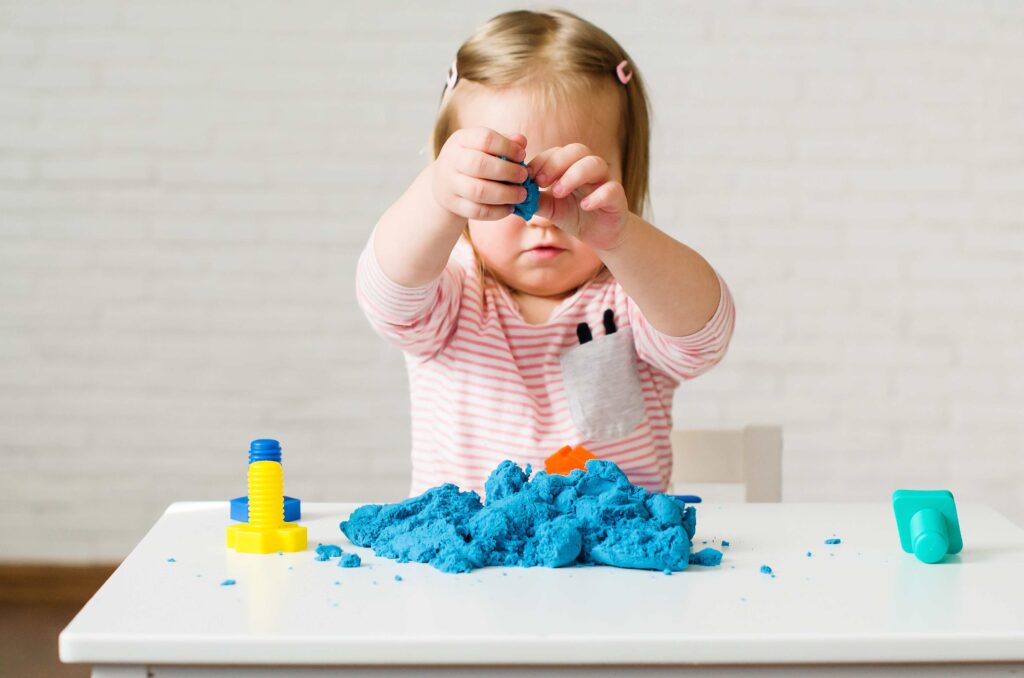
Signs of autism in 2-year-olds
Signs of autism in a 2-year-old may include differences in communication, social interaction, play, sensory processing and emotional regulation. Examples can include limited response to…
Learn more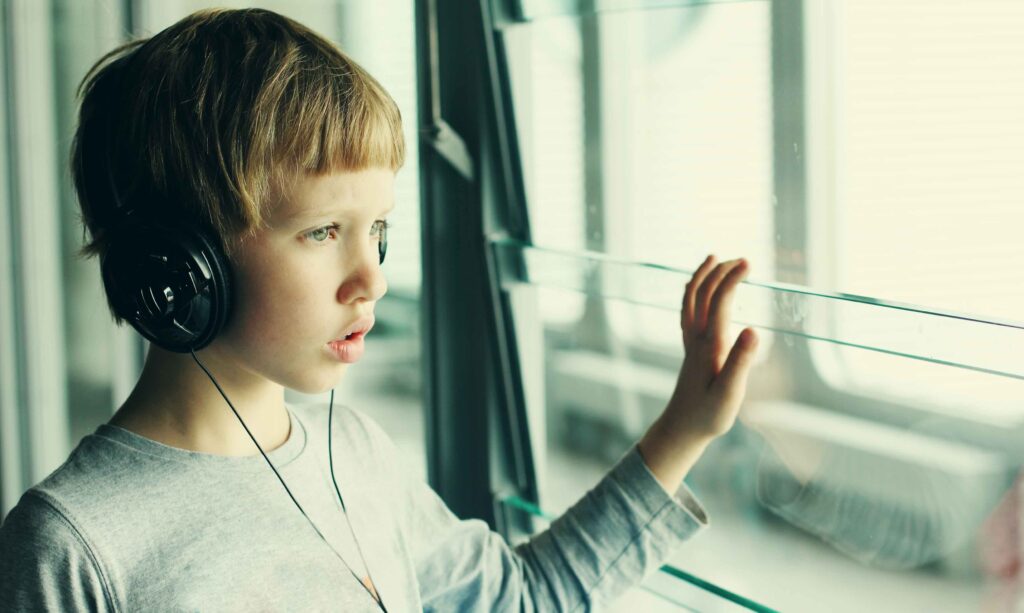
Selective mutism and autism: signs, causes and how to help
Selective mutism is an anxiety disorder where a child is unable to speak in certain situations, despite being able to speak comfortably in others. It…
Learn more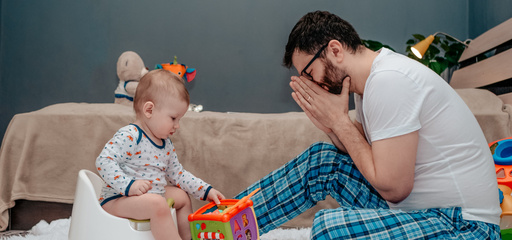
Potty training autistic children: a guide for parents
Toilet training may take longer for autistic children because differences in communication, sensory processing, anxiety, emotional regulation, flexibility and interoception can make it harder to…
Learn more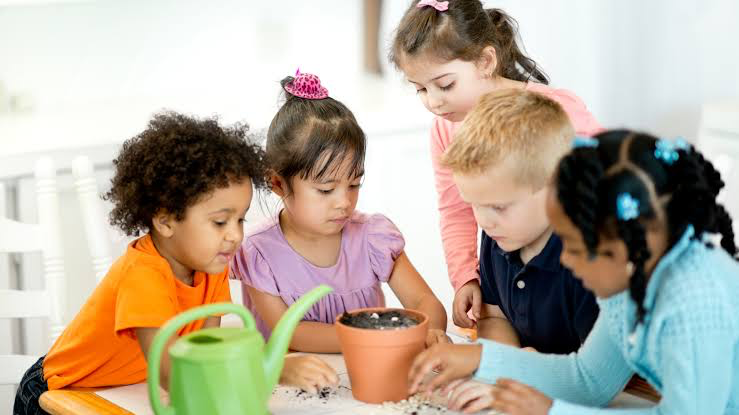
Sensory differences in autistic preschool children: a guide for parents
Sensory differences affect how a child experiences and responds to sensory information. Some autistic children are highly sensitive to sounds, lights, textures or smells, while…
Learn more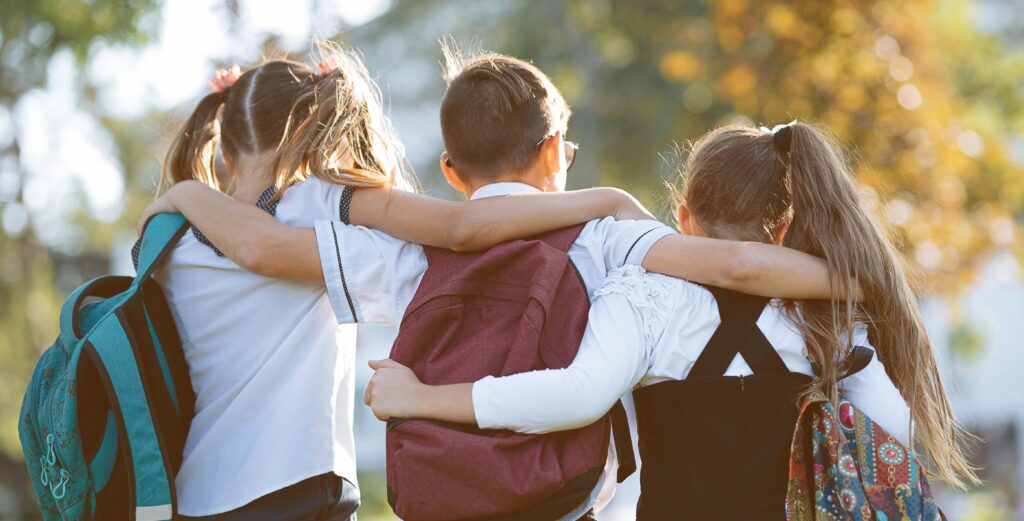
Sensory differences in autistic school-aged children: a guide for parents
Sensory differences in autism affect how a person experiences and responds to sensory information. Some autistic children may be highly sensitive to sounds, lights or…
Learn more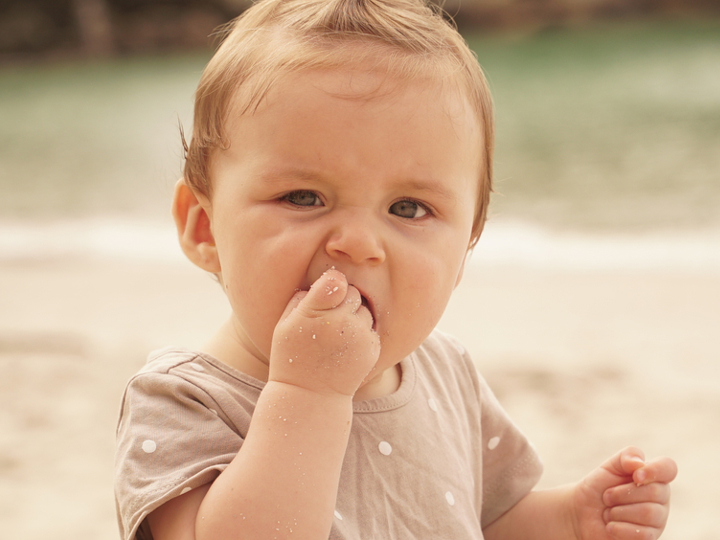
Pica in autistic children: understanding the causes, risks and support strategies
Pica is the persistent eating of non-food items such as paper, soil, fabric, chalk or hair. It is more common in autistic children and may…
Learn more