Category: Children and Families
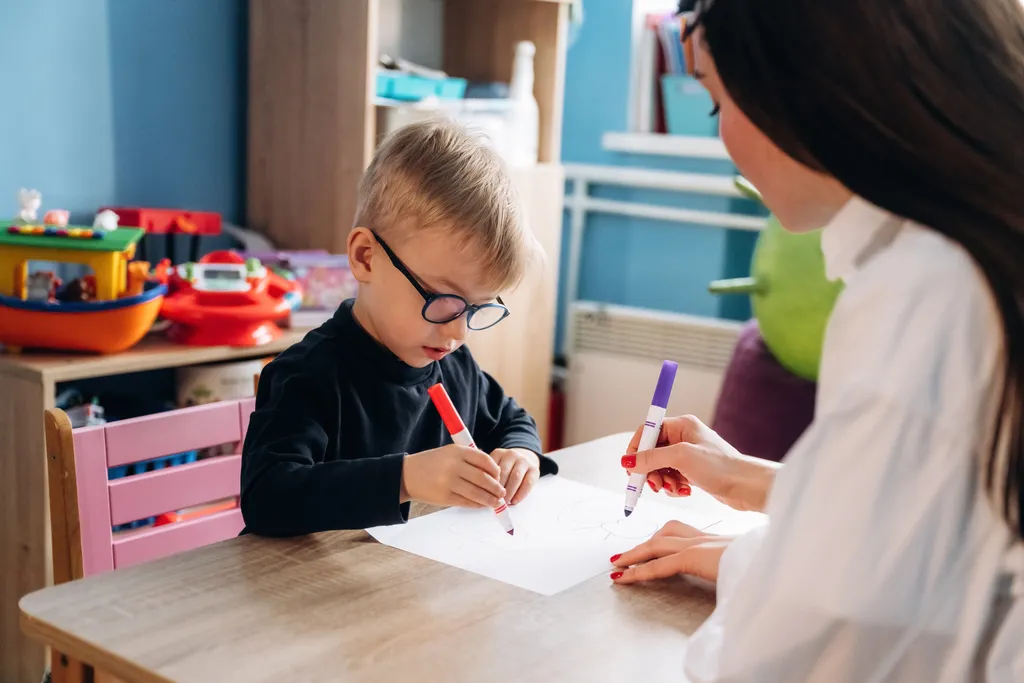
Autism in preschool children: why early recognition and diagnosis is important
Early autism diagnosis helps children and families access appropriate support, better understand their child's needs and make reasonable adjustments at home, nursery and school. Early…
Learn more
Monitoring mental health in autistic teenagers: a neurodiversity-affirming guide for parents
Autistic teenagers experience higher rates of anxiety, depression and emotional distress than their peers. This is not because they are autistic, but often because they…
Learn more
Communicating with an autistic child: practical tips for parents
Learn how to adapt your communication style when communicating with an autistic child, reduce misunderstandings and strengthen everyday connections.
Learn more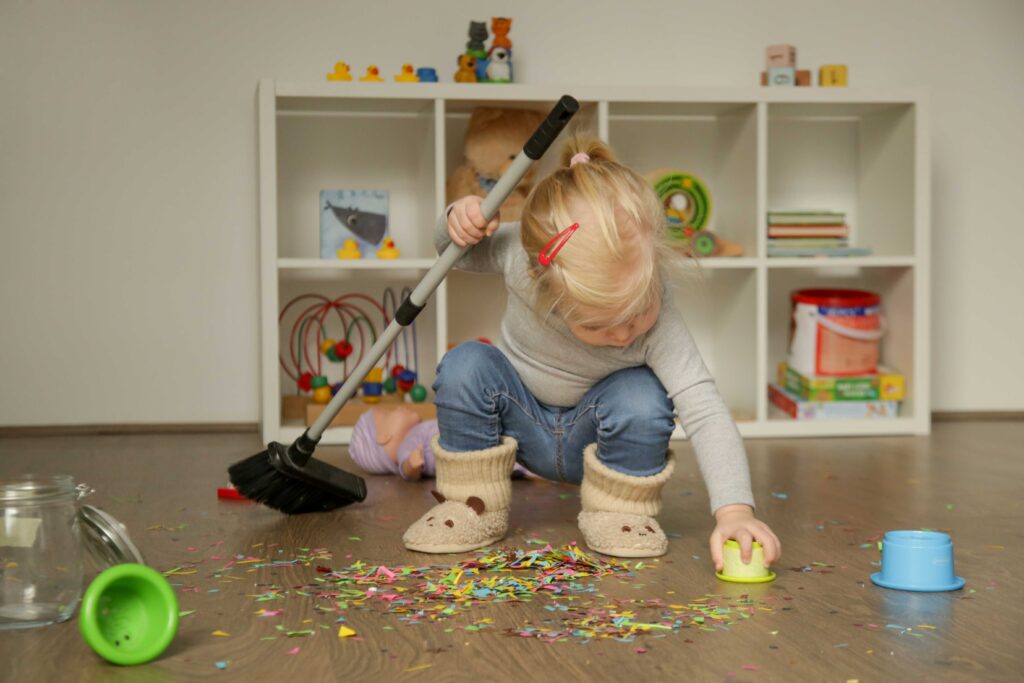
Language disorder, language delay or autism? Understanding the differences in preschool children
Language delay primarily affects a child's speech and language development, whereas autism affects social communication, social interaction, sensory processing and behaviour patterns. While some autistic…
Learn more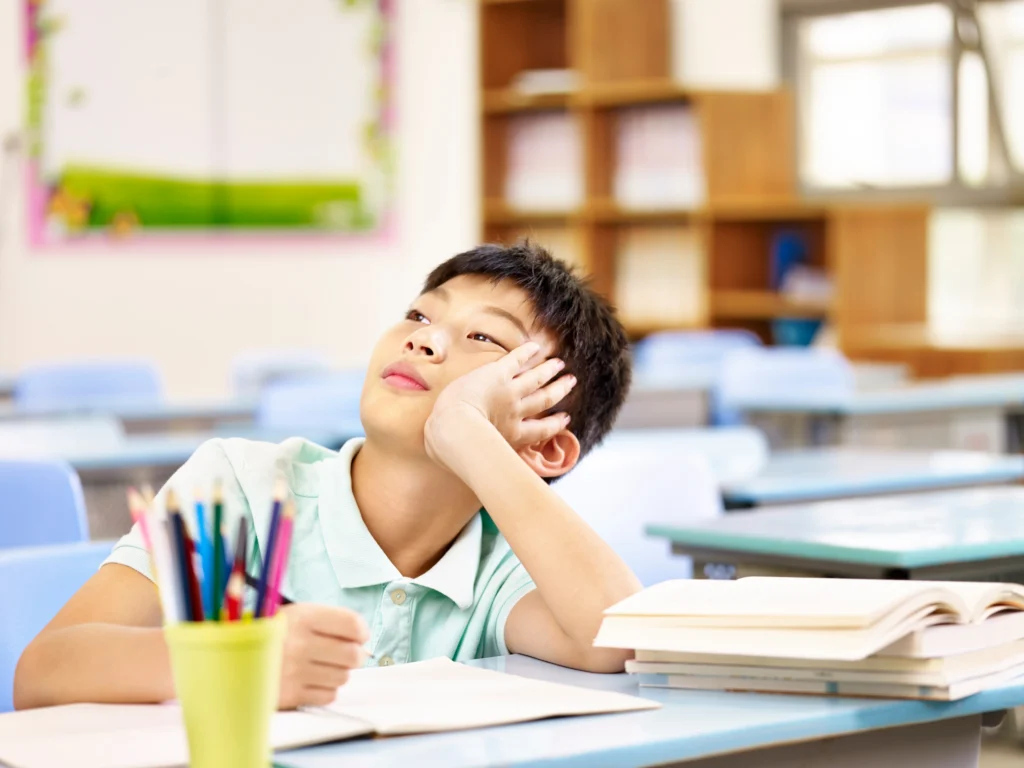
Autistic pupils in mainstream education: experiences and challenges
Autistic pupils can have very different experiences in mainstream schools. Some thrive academically and socially with appropriate support, while others experience challenges such as anxiety,…
Learn more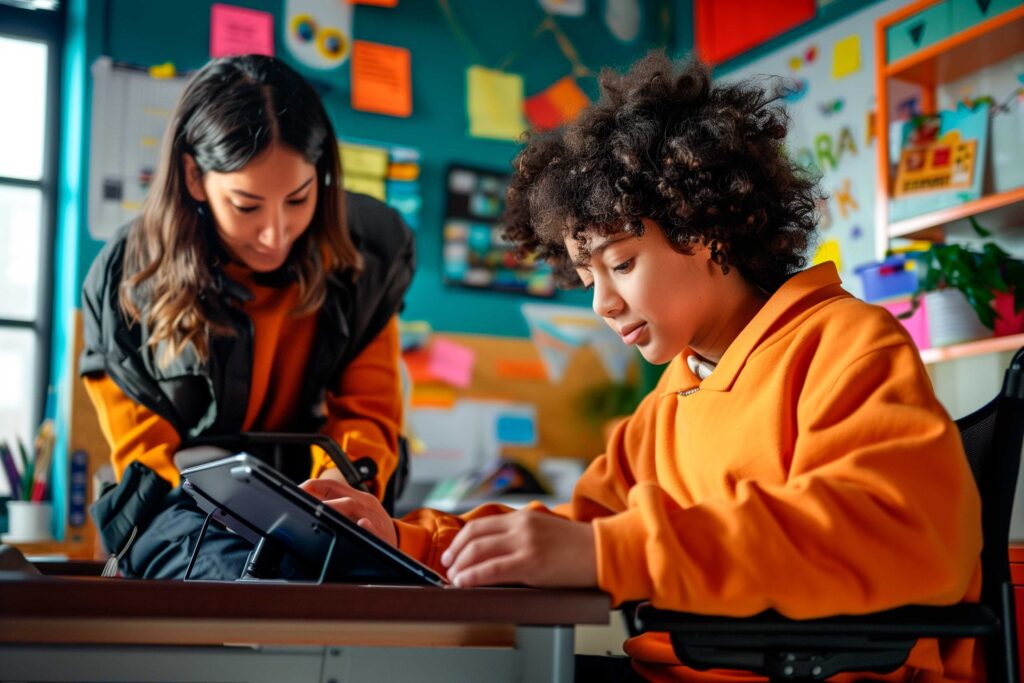
Learning disability, global developmental delay and autism: understanding the differences
Global Developmental Delay (GDD) describes significant delays across multiple areas of development in young children. A learning disability, also known as an intellectual disability, refers…
Learn more
Does attending mainstream school help autistic children?
Mainstream education can benefit autistic children, but only when the setting understands autism and makes the right adjustments.
Learn more
Explaining an autism diagnosis to your child: a neurodiversity-affirming guide for parents
Explain autism in a positive and age-appropriate way. Help your child understand that autism is a difference in how their brain works, not something that…
Learn more
Joint attention and autism: why it matters and its link
Joint attention is the ability to share focus with another person on an object, event or activity. It involves skills such as looking, pointing, showing…
Learn more