Introduction
Autism has been recognised and understood in many different ways over the past century. What began as descriptions of a small group of children with distinctive social and behavioural characteristics has evolved into our modern understanding of Autism Spectrum Disorder (ASD)—a neurodevelopmental condition that encompasses a wide range of presentations, strengths, and support needs.
The history of autism is closely linked to the work of three influential figures: Leo Kanner, Hans Asperger, and Lorna Wing. Their contributions helped shape how autism is understood, diagnosed, and classified today.
The Origins of the Term “Autism”
The word autism was first used by Swiss psychiatrist Eugen Bleuler in 1911. He used it to describe a tendency towards withdrawal from reality in people with schizophrenia. At this stage, autism was not considered a separate condition.
It was not until the 1940s that autism began to be recognised as a distinct developmental condition.
Leo Kanner and “Early Infantile Autism”
In 1943, American child psychiatrist Leo Kanner published a landmark paper describing 11 children who displayed what he called“early infantile autism.” He observed several shared characteristics.
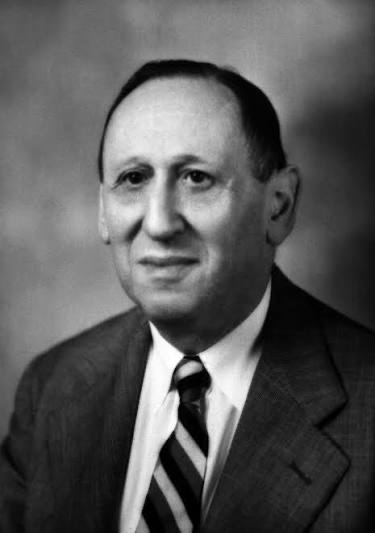
including:
- Difficulties forming social relationships
- A preference for being alone
- Strong resistance to changes in routine
- Repetitive behaviours
- Unusual responses to sensory experiences
- Differences in language development
Kanner argued that these children had a condition that was distinct from childhood schizophrenia, which was how many similar children had previously been classified. His work is widely regarded as the first formal description of autism as a separate clinical condition.
For many years, what became known as Kanner’s Autism represented the dominant understanding of autism.
Hans Asperger and “Autistic Psychopathy”
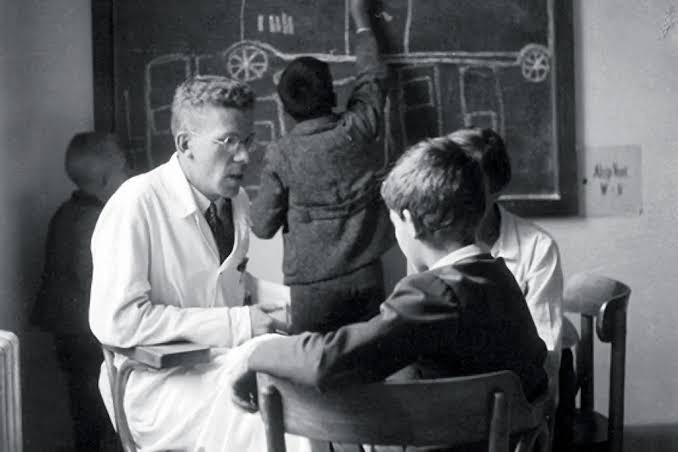
Just one year later, in 1944, Austrian paediatrician Hans Asperger published a description of children who shared some characteristics with Kanner’s patients but also demonstrated notable differences.
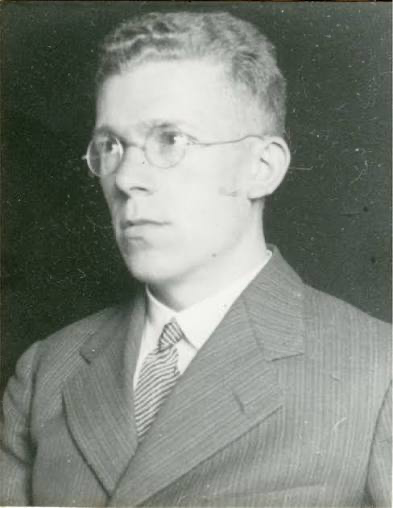
The children Asperger described typically:
- Had average or above-average intelligence
- Developed spoken language on time
- Experienced significant social difficulties
- Had highly focused interests
- Displayed unusual communication styles
Asperger referred to these children as having“autistic psychopathy,” using the term psychopathy in its historical sense to mean a personality pattern rather than the modern meaning associated with antisocial behaviour.
For decades, Asperger’s work remained relatively unknown outside German-speaking countries. It would later become highly influential through the work of British psychiatrist Lorna Wing.
Lorna Wing and the Autism Spectrum
Perhaps no individual has had a greater impact on modern understanding of autism than Lorna Wing. A psychiatrist and parent of an autistic daughter, Wing challenged the idea that autism was a rare condition affecting only a narrowly defined group of children.
In the late 1970s, Wing and colleague Judith Gould conducted research in Camberwell, London. They discovered many individuals who displayed autistic characteristics but did not fit Kanner’s original description of autism.
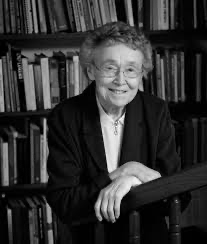
Their findings led to two hugely influential ideas:
The Triad of Impairments:
Wing proposed that autism involved differences in:
- Social interaction
- Social communication
- Social imagination and flexibility of thought
This became known as the Triad of Impairments and formed the basis of diagnostic thinking for many years.
The Autism Spectrum:
More importantly, Wing suggested that autism existed on a continuum or spectrum, rather than as a single condition with one presentation. She recognised that autistic people could have very different abilities, support needs, and life experiences while sharing underlying autistic characteristics.
Wing also played a key role in introducing Asperger’s work to the English-speaking world, leading to the later recognition of Asperger Syndrome as a diagnostic category.
Autism in the DSM: How Diagnostic Categories Changed Over Time
The Diagnostic and Statistical Manual of Mental Disorders (DSM) is one of the main classification systems used by clinicians.
Before DSM-III (1980):
Prior to 1980, autism was generally classified under childhood schizophrenia or other psychotic disorders. There was no formal autism diagnosis.
DSM-III (1980):
The DSM-III introduced Infantile Autism as a separate diagnosis for the first time. This was a significant milestone because it formally recognised autism as distinct from schizophrenia.
DSM-III-R (1987):
The diagnosis was broadened and renamed Autistic Disorder. Diagnostic criteria became less restrictive, allowing more individuals to receive an autism diagnosis.
DSM-IV (1994) and DSM-IV-TR (2000):
These editions introduced a group of diagnoses called Pervasive Developmental Disorders (PDDs).
The category included:
- Autistic Disorder
- Asperger’s Disorder (or Asperger Syndrome)
- Pervasive Developmental Disorder – Not Otherwise Specified (PDD-NOS)
- Childhood Disintegrative Disorder
- Rett Syndrome
This reflected growing recognition that autism presented in different ways.
DSM-5 (2013):
One of the biggest changes in autism history came with DSM-5.
Rather than maintaining separate diagnoses such as Asperger Syndrome and PDD-NOS, they were brought together under a single diagnosis:
Autism Spectrum Disorder (ASD):
The DSM-5 also shifted from Wing’s Triad of Impairments to two core domains:
- Persistent differences in social communication and social interaction
- Restricted, repetitive patterns of behaviour, interests, or activities
Sensory differences were also formally recognised within the diagnostic criteria.
Why Do We Use the Term Autism Spectrum Disorder Today?
The move to Autism Spectrum Disorder was driven by research showing that the boundaries between diagnoses such as Autistic Disorder, Asperger Syndrome, and PDD-NOS were often unclear and inconsistently applied. Many individuals received different diagnoses depending on where they were assessed.
The spectrum model acknowledges that:
- Autism presents differently in different people
- There is enormous variation in communication styles, cognitive abilities, strengths, and support needs
- Individuals may need different levels of support at different times in their lives
- A single diagnosis can better capture this diversity than multiple overlapping categories
Today, clinicians recognise that autism is not a collection of entirely separate conditions but a broad spectrum of neurodevelopmental differences.
How Our Understanding Continues to Evolve
While the diagnosis remains Autism Spectrum Disorder within current diagnostic manuals, many autistic people and professionals increasingly favour language that emphasises autism as a natural form of neurodiversity rather than solely as a disorder.
Modern research has expanded beyond identifying difficulties and now explores autistic strengths, sensory experiences, identity, mental health, communication differences, and the importance of creating environments that support autistic individuals to thrive.
Conclusion
The history of autism reflects a remarkable shift in understanding. From Kanner’s description of “early infantile autism” and Asperger’s observations of socially different but intellectually able children, to Lorna Wing’s revolutionary concept of the autism spectrum, each development has helped shape today’s understanding of autism.
The adoption of the term Autism Spectrum Disorder recognises that autism is highly diverse. While autistic people may share common characteristics, there is no single autistic experience. The spectrum concept acknowledges this variation and provides a framework that is more inclusive, flexible, and reflective of the many ways autism can present across the lifespan.