
Blog
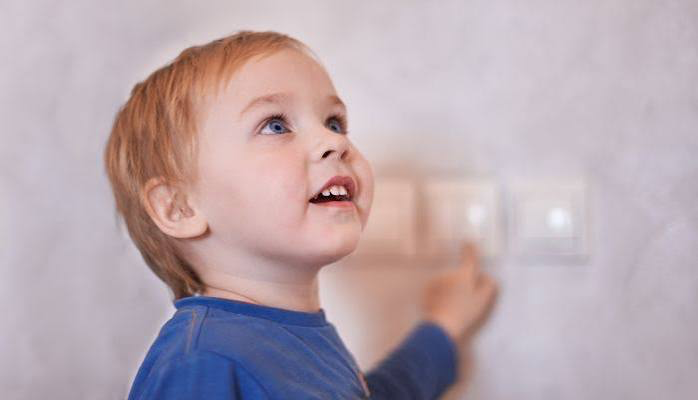
Stimming in autistic children: what it is, why it happens and how parents can respond
Many autistic children can be observed to ‘stim’. Parents might notice their child repeatedly flapping their hands, rocking back and forth, humming, spinning, pacing, or repeating certain sounds. These behaviours can sometimes…
Learn more
Signs of autism in 2-year-olds
Signs of autism in a 2-year-old may include differences in communication, social interaction, play, sensory processing and emotional regulation. Examples can include limited response to…
Learn more
Reasonable adjustments for autistic adults in the workplace: understanding your rights and support options
Reasonable adjustments are changes made in the workplace to remove barriers and help autistic employees perform their role effectively. Examples may include flexible working arrangements,…
Learn more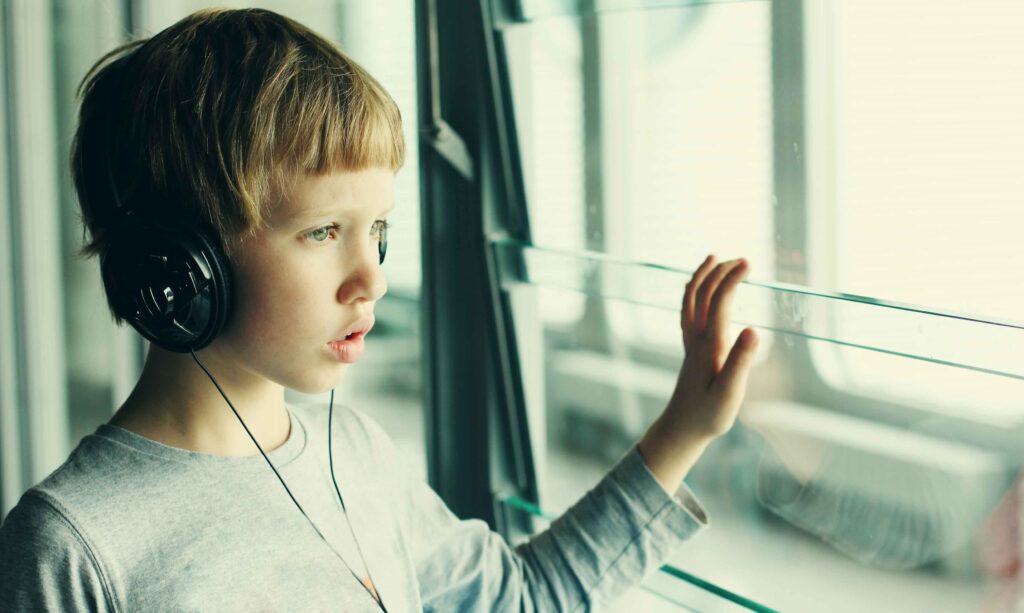
Selective mutism and autism: signs, causes and how to help
Selective mutism is an anxiety disorder where a child is unable to speak in certain situations, despite being able to speak comfortably in others. It…
Learn more
Potty training autistic children: a guide for parents
Toilet training may take longer for autistic children because differences in communication, sensory processing, anxiety, emotional regulation, flexibility and interoception can make it harder to…
Learn more
Sensory differences in autistic preschool children: a guide for parents
Sensory differences affect how a child experiences and responds to sensory information. Some autistic children are highly sensitive to sounds, lights, textures or smells, while…
Learn more
Sensory differences in autistic school-aged children: a guide for parents
Sensory differences in autism affect how a person experiences and responds to sensory information. Some autistic children may be highly sensitive to sounds, lights or…
Learn more
Emotional dysregulation in autistic adults: understanding intense emotions and supporting your wellbeing
Emotional dysregulation in autism refers to difficulties managing intense emotional responses. Autistic people may experience emotions more intensely, take longer to recover after stressful events,…
Learn more
Autism or social anxiety? Understanding the similarities, differences and when to seek an autism assessment
Autism is a lifelong neurodevelopmental difference that affects social communication, sensory processing and behaviour patterns. Social anxiety is an anxiety disorder characterised by fear of…
Learn more