Blog

Emotional dysregulation in autistic children: signs, causes and how to help
Emotional dysregulation is one of the most common yet misunderstood experiences for autistic children and young people. Although it is not part of the formal…
Learn more
Difficulties with change in autistic children: why change is hard and how to help
For many autistic children, change can be one of the most challenging aspects of daily life. A cancelled trip to the park, a different route…
Learn more
Difficulties with change: a guide for autistic adults
If you are autistic, you may have found that change feels more difficult than it seems to for other people. You might cope well when…
Learn more
Mental health and autism across the lifespan: an evidence-based guide for children, teenagers and adults
Mental health difficulties are common within the autistic community. Although autism itself is not a mental health condition, autistic children, teenagers and adults experience significantly…
Learn more
Signs of autism: a complete guide for children, teenagers and adults
Autism is a lifelong neurodevelopmental difference that affects how a person communicates, interacts with others, processes information and experiences the world around them. Although autism…
Learn more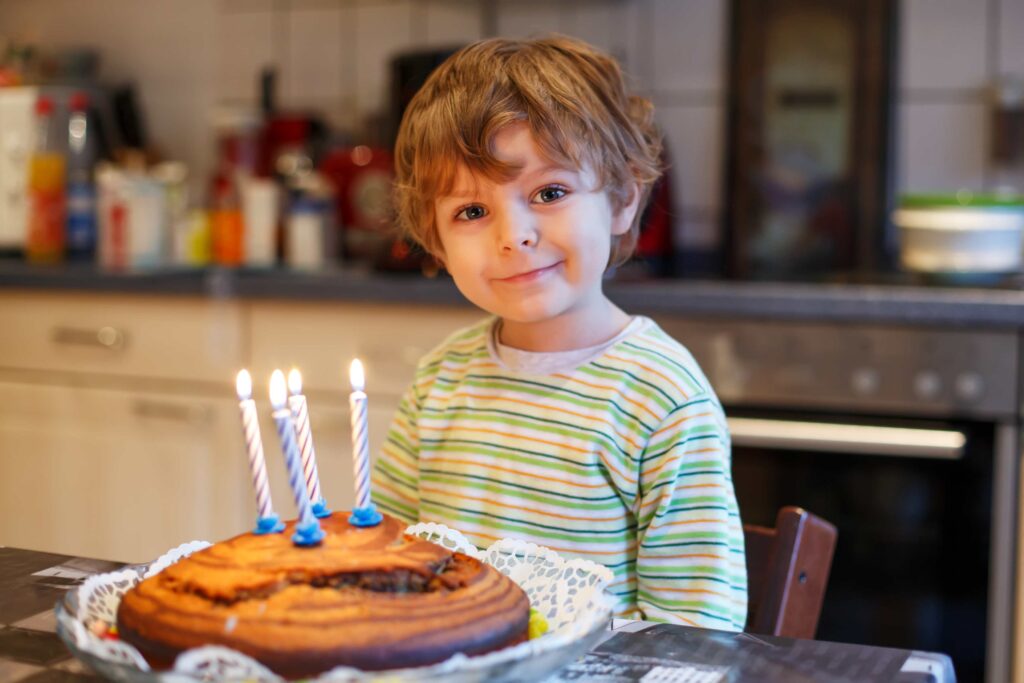
Signs of autism in 4-year-olds
By the age of four, children are typically becoming more independent, socially aware and verbally confident. Most children are developing friendships, engaging in imaginative play…
Learn more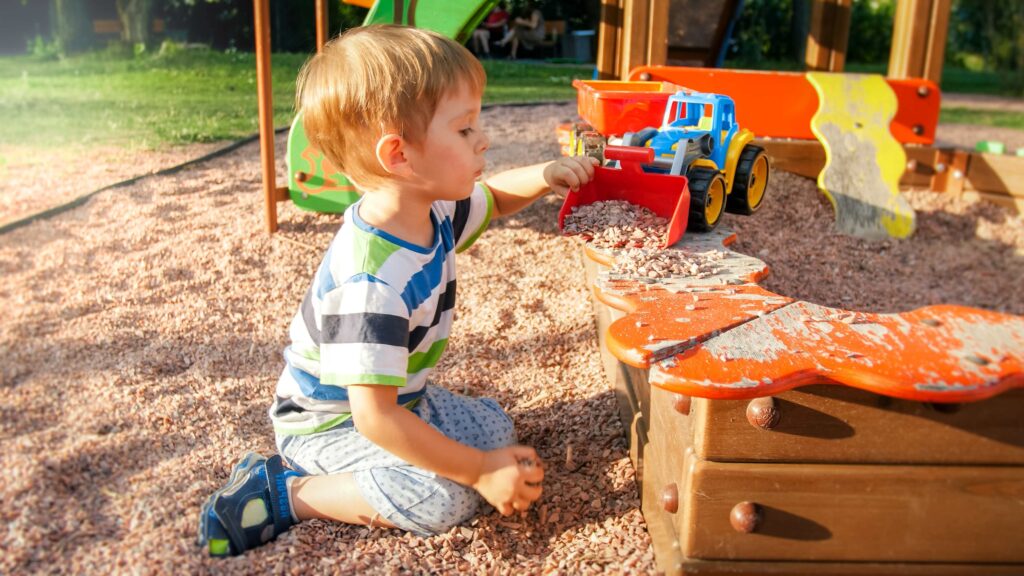
Signs of Autism in 3-Year-Olds: A Guide for Parents
Autism is a lifelong neurodevelopmental difference that affects how a person communicates, interacts with others and experiences the world. While autism is present from early…
Learn more
Autism and menopause: why some women first recognise autism in midlife
Many women only begin to consider that they may be autistic in their 40s and 50s. They may have spent decades feeling different, struggling socially,…
Learn more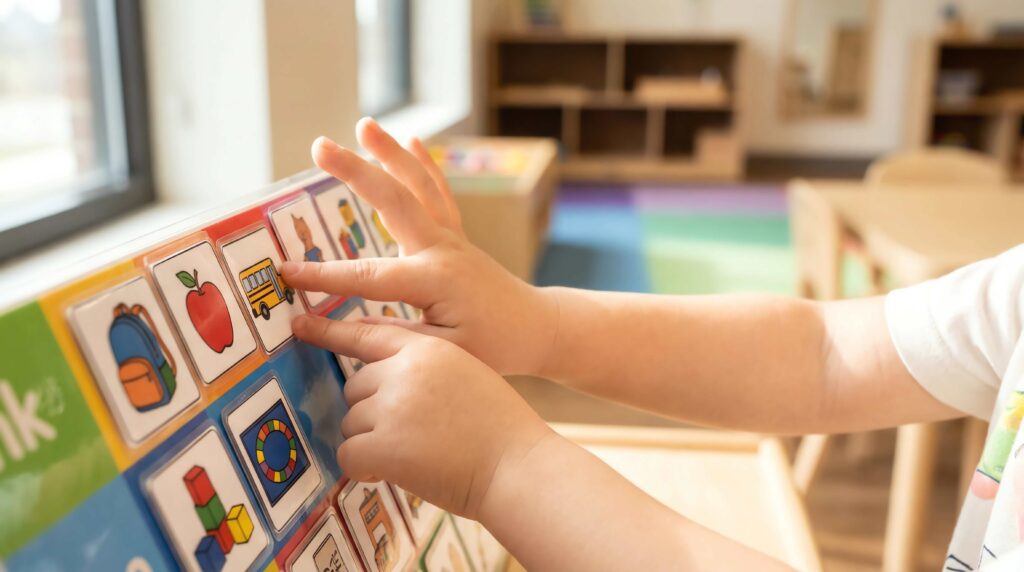
Using visual supports with autistic preschool children: a guide for parents
Many autistic preschool children are strong visual learners. While spoken language can be fleeting and difficult to process, visual information remains available for longer, allowing…
Learn more