
Autism in women often looks different from the stereotype. Many autistic women hide their social difficulties from others by using strategies such as rehearsing conversations or copying others’ reactions. Coping with changes and uncertainty is often a struggle for autistic women, as is managing everyday sensory input. Autistic women often experience exhaustion or burnout, and this can lead to misdiagnosis of anxiety or depression because the signs of autism are easily missed.
The signs of autism in women are often misunderstood, meaning that many autistic women remain undiagnosed or are misdiagnosed.
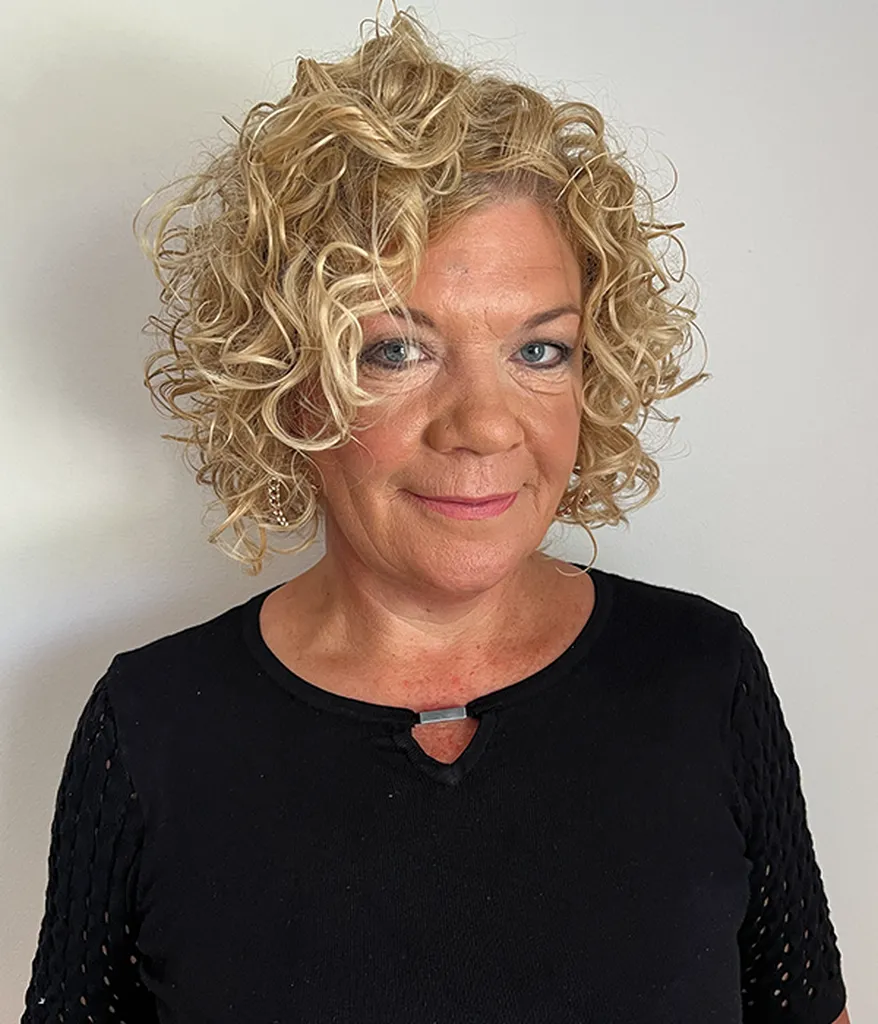
In this article, Jo Condon, an expert in autism presentation in females, provides a complete list of the signs of autism in women, discusses the reasons for the lack of recognition of female autism traits and outlines how women can access a private adult autism assessment.
Table of Contents
What are the signs of autism in women? 12 signs to look for
Every autistic person presents differently and experiences different strengths and challenges. However, there are patterns that come up again and again in the women our clinicians assess. The twelve signs below are the most common.
- Feeling like an actor in your own life. You may struggle to know who you really are, feel that you are putting on a show around others, avoid sharing your views, or find yourself behaving like the people around you in order to fit in.
- Exhaustion after time with other people. Feeling wiped out or burnt out after social interaction, such as at the end of the working day or after a family event, is one of the most consistent experiences autistic women describe.
- Rehearsing and replaying conversations. Planning conversations in your head beforehand, then replaying them afterwards to work out whether you said the right thing.
- Finding small talk difficult. Social chit-chat feels effortful, and you may rely on set scripts or practised responses to get through it.
- Feeling thrown when plans change. Last-minute changes, events that do not start on time or situations that do not go as expected can leave you anxious, irritated or unable to settle.
- A strong need for routine and predictability. Having your own daily routines that you need to follow to feel calm, and needing to know when and how things will happen.
- Sensory sensitivity. Struggling with the sound of people eating, noisy environments, certain fabrics or textures, bright lights or specific smells.
- Intense interests. Hobbies or subjects you pursue deeply, which take up your spare time and leave you feeling calm and focused.
- Difficulty regulating emotions. Feeling overwhelming anger, anxiety or upset about things that other people find trivial, and taking a long time to recover.
- Friendships that feel effortful. Coping with only one or two friendships, taking a passive role in them, or being unsure how often you are supposed to be in touch.
- Subtle repetitive movements. Twirling rings, tapping fingers or feet, skin picking or knuckle cracking to regulate yourself, often without realising, and usually hidden when others are present.
- A lifelong sense of being different. Feeling that others cannot quite relate to you, and being hard on yourself for finding daily tasks difficult when others seem not to.
If several of these feel familiar, the checklist in the next section goes into more detail.
Female autism checklist
This checklist brings together the traits autistic women most often recognise in themselves. It is not a diagnostic tool and it cannot tell you whether you are autistic. You may find it a useful tool to help you to recognise and define your own experiences before you speak to your GP or an assessment service.
Social interaction
☐ I find small talk difficult and often rely on scripts or practised responses
☐ I rehearse conversations beforehand and replay them afterwards
☐ I find groups of more than two or three people hard to follow
☐ People have told me I come across as blunt or rude when I did not intend to
☐ Eye contact feels uncomfortable, or I have to remind myself to do it
☐ I copy other people’s phrases, expressions or gestures to fit in
Friendships and relationships
☐ I can manage only one or two friendships at a time
☐ The other person usually leads contact and organises meeting up
☐ I am unsure how often I am supposed to get in touch with friends
☐ I need to know someone for a long time before a friendship develops
Routine and change
☐ I have daily routines I need to follow to feel calm
☐ I become irritated when others do things differently from the way I do them
☐ Unexpected changes of plan leave me anxious or distressed
☐ I need to know in advance how something will happen, and often plan routes or visit places beforehand
Interests and focus
☐ I have interests I pursue intensely, which leave me feeling calm and focused
☐ I need to find out everything there is to know about a subject
☐ I enjoy collecting, organising and ordering things
Sensory differences
☐ Sounds such as chewing, breathing or tapping irritate me more than they seem to irritate others
☐ I notice noises, such as lights or appliances, that other people do not
☐ I find loud or busy environments difficult to cope with
☐ I dislike certain food textures or tastes and prefer familiar foods
☐ Certain fabrics or textures are unbearable, or certain pressures are comforting
Emotions and energy
☐ I feel emotions very intensely and take a long time to recover
☐ I am burnt out after periods of social interaction
☐ I have a strong sense of justice and become angry when people are treated unfairly
☐ I find it hard to switch off my thoughts at night
☐ Happiness often feels like the absence of worry rather than joy
Identity and self-esteem
☐ I have felt different for as long as I can remember
☐ I feel that other people cannot relate to or understand me
☐ I am hard on myself for finding daily tasks difficult
☐ After years of copying and masking, I am not sure who I really am
If you recognise yourself in much of this list, a good next step is our free online screening test, or a conversation with us about an assessment.
How autism presents differently in women
Most people picture autism as it was first described, in boys. That picture still shapes the signs that many teachers, GPs and families look out for, which is why so many women are missed.
| The stereotype, based on boys and men | How it often looks in women |
|---|---|
| Little apparent interest in other people | Strong desire to connect, with social difficulties hidden behind effort and preparation |
| Avoids eye contact noticeably | Makes eye contact by conscious effort, often losing track of the conversation while doing so |
| Intense interests in unusual subjects, talked about at length | Interests that look conventional, such as animals, books, music or people, pursued just as intensely but discussed less openly |
| Visible repetitive movements | Subtle or hidden movements: twirling rings, tapping feet, skin picking |
| Difficulties visible to others from early childhood | Difficulties held in at school and released at home, so only the family sees them |
| Usually identified in childhood | Often identified in adulthood, frequently after burnout, a child’s diagnosis, or during perimenopause |
Why is autism in women missed?
Many factors contribute to the underdiagnosis of women and girls. Historical understanding of autism as a male-dominant condition, previous diagnostic criteria, masking and camouflaging behaviours not being well understood, alongside gender inequality issues such as societal gender expectations and gender bias in health and care systems, have all contributed to a lack of acknowledgement of autism in the female population.
Male autism presentation
Autism was historically viewed as primarily affecting males, and so the characteristics of autism that became more widely recognised were those that tended to be typically seen in men and boys. It is thought that males are less socially motivated and therefore present with the more stereotypical characteristics of:
- Decreased social interest
- Poor eye contact
- Intense, focused interests that occupy time and conversations
- Stimming and mannerisms
Whilst females may also present with these characteristics, they are more likely to hide them, making autism less visible to others. Contact with the more stereotypical autism presentation can also influence front-line professionals, such as teachers, who may associate autism with a particular presentation and not recognise the broader autism spectrum. Myths such as ‘people with autism don’t give eye contact’ or ‘autistic people don’t have empathy’ also lead people to dismiss possible autism.
Changes to the diagnostic criteria for autism
In 2013, the 5th edition of the Diagnostic and Statistical Manual (the DSM-5) was published. There were significant changes to the way in which autism is diagnosed, and the diagnostic term ‘autism spectrum disorder’ was included for the first time. The changes to the diagnostic criteria included sensory differences as part of the diagnostic criteria and the concept that symptoms could present in later life. The changes meant that some people who were assessed previously and found not to meet the criteria for an autism diagnosis do meet the criteria for a diagnosis of autism spectrum disorder (American Psychiatric Association, 2013).
Masking and camouflaging
Autistic females are thought to be more socially driven and are therefore more inclined to try to hide their differences, engaging in behaviours that ‘mask’ or ‘camouflage’ their autistic traits.
From an early age, autistic females learn to navigate social situations by hiding their differences or difficulties. Younger girls mask their problems in various ways, including avoiding interaction, relying on others to respond for them, or watching others and copying their behaviours. They may suppress other behaviours, for example, by hiding their hands when engaged in repetitive movements. Girls often learn ‘accepted’ social behaviours from studying siblings, friends or characters on television.
As girls grow older, they have usually learned a range of behaviours that help them to ‘fit in’ socially, but using their cognitive abilities to manage social interactions comes at the price of being completely exhausted after interaction. By the time adulthood is reached, many women who have masked throughout childhood and adolescence find it difficult to unmask and to understand who they really are.
You can read more about how this shows up in adults in our guide to high masking autism.
Gender expectations and gender bias
Societal expectations of females undoubtedly influence masking and camouflaging behaviours, causing autistic women to hide their true selves to conform to the way society expects them to behave.
Gender bias also influences the way women are perceived in education, work and by healthcare professionals. Females are more likely to experience feeling dismissed by healthcare providers or to have their difficulties attributed to being unable to cope with stress or being emotional. This means that many women presenting with autism characteristics are diagnosed with emotional disorders such as anxiety.
Autism characteristics can also cause more difficulties at times of life change, such as the move to secondary school, or when parents become older and a woman needs to become a carer for them. The difficulties experienced by women at these times are often dismissed as hormonal, due to puberty or perimenopause, and the underlying autism is missed.
Misdiagnosis
Misdiagnosis is a common experience for autistic females. The social worries associated with autism in females, alongside difficulties with sensory processing and feeling uncomfortable with changes in routine or unpredictability, cause stress and anxiety. When females present for help or support with their issues, the underlying pattern of behaviours is often missed, and a diagnosis of an anxiety-based disorder or depression is given, or difficulties are attributed to trauma. Undiagnosed autistic females often feel frustrated by medication or talking therapies not making a difference.
When an autistic female has masked for years, they can struggle with knowing who they are. This, alongside having difficulties regulating emotions and difficulties with relationships, is sometimes interpreted by mental health professionals as being symptoms of a personality disorder, another misdiagnosis often issued to undiagnosed autistic women.
Women who have been misdiagnosed are usually aware that the diagnosis is incorrect on some level, feeling that they cannot relate to the literature about the diagnosis and that the advice about managing symptoms does not apply to them.
Eating difficulties and eating disorders
Many autistic women have difficulties with eating, including avoidant and restrictive food intake. Autistic girls and women are also overrepresented in eating disorder services, particularly among people with anorexia nervosa.
Sensory sensitivity to tastes and textures, rigid thinking, anxiety, difficulty identifying emotions and a strong need for predictability can all play a part. Some women are seen by eating disorder services long before anyone considers autism, and research suggests treatment works better when autism is recognised and accommodated (Westwood and Tchanturia, 2017).
Perimenopause and menopause
For many women, perimenopause is when autism is first recognised. Fluctuating hormones can affect mood, sensory processing, concentration and emotional regulation, and coping strategies that worked for decades can become much harder to keep up. Many women start exploring autism because menopause has changed how they cope with everyday life. Read more in why autism is sometimes first identified during perimenopause and menopause.
High functioning autism in women: what the term means
‘High functioning autism’ is one of the phrases women most often search for, but it is not a clinical diagnosis. The DSM-5 describes autism spectrum disorder alongside levels of support need, and clinicians generally use that language instead.
When women use the phrase, they usually mean autism that is hidden from other people. They are managing a job, a home and a family, and from the outside everything looks fine. What is not visible is the effort involved: the preparation before social events, the recovery time afterwards, and the exhaustion that builds up over years.
Coping well in public does not mean support needs are low. It often means the cost is being paid privately, in burnout, anxiety or a sense of losing yourself. Many of the women we assess have masked successfully for decades before reaching the point where they can no longer sustain it.
Autistic traits in women: the complete list
Earlier in this article we looked at twelve key signs. Here we expand further, to consider the full range of traits and characteristics that autistic women may experience.
Social interaction
- Struggling with small talk: finding it difficult to engage in social chit-chat, rehearsing conversations, using set scripts or practised responses to get through short conversations
- Finding group interaction difficult: having difficulties interacting in groups of more than two or three people, finding it hard to keep track of the conversation, to know when it is your turn to speak, or to work out what others in the group expect of you
- Unintentionally offending others: finding it hard to understand why others find what you say blunt or rude, assuming people want advice when they do not, tending to point out when people are incorrect
- Worrying about how others perceive you: replaying conversations in your mind, frequently noticing when something is ‘off’ in an interaction but not being able to pinpoint it, struggling to judge what other people think of what you say
- Not finding things funny: not sharing other people’s humour, not recognising when someone is joking, not understanding the point of sarcasm, laughing because others are rather than because you find something funny
- Copying others’ behaviours: using phrases, expressions or gestures that others use in order to fit in
- Finding eye contact uncomfortable: finding it difficult to make or maintain eye contact, needing to remind yourself to do it, struggling to follow a conversation while making it
- Smiling: smiling to give other people the impression that all is well
- Avoiding talking about your interests: not sharing your interests, because you are aware that others do not share them or find you too intense when you do
Friendships and relationships
- Struggling to cope with more than one or two friendships
- Taking a passive role in friendship, with the other person leading contact and organising meet-ups
- Struggling to work out how often to contact friends
- Lack of interest in, or need for, friendships
- Never sharing your thoughts or feelings with a friend, and not feeling the benefit of sharing problems with others
- Having to know someone for a very long time before developing a friendship
Routines and difficulties with change
- Daily routines: having your own daily routines that you must follow to feel regulated and calm
- Irritation when others do not do things your way: having certain ways of doing things, whether making tea, loading the dishwasher or tackling work issues, and feeling irritated when others do them differently
- Anxiety or irritability when things do not go to plan: finding it difficult when people do not turn up on time, events start late, or the planned outcome is not achieved
- Difficulty with change: liking sameness and familiarity, finding it hard when plans change without notice, needing time to prepare for anything out of the ordinary. New staff, new environments or new systems can be difficult to adjust to, and life transitions cause significant distress
- Need for predictability: needing to know when and how things will happen, planning events, travel routes or non-routine activities, or visiting places before the event happens
Knowledge and interests
- Intense interests: having hobbies or interests that you pursue intensely, which take up your spare time and make you feel calm and focused
- Fact-finding: needing to find out all there is to know about a subject through research, and becoming distracted by that need for knowledge
- Collecting and ordering: enjoying collecting items or objects, liking to organise and order, enjoying looking at your collections or organisation systems
Repetitive movements
- Rocking or pacing when alone and upset, anxious or excited
- Moving your hands or fingers in sequenced ways, finding yourself calmed by twirling your rings, tapping your fingers or squeezing a fidget toy (stimming in autistic adults)
- Finding yourself tapping your legs or feet without realising
- Picking your skin or cracking your knuckles habitually
Sensory differences
Sensory differences can include:
- Irritation at ‘people noises’: feeling irritated or annoyed by the sound of people eating, breathing, coughing, chewing or tapping
- Hearing things others do not: the noise of lights, toasters or appliances bothers you but does not seem to bother others
- Overwhelmed by louder noises: finding loud noises, specific noises or noisy environments difficult to cope with
- Limited diet: being fussy with food, disliking certain tastes and textures, preferring to eat the same familiar foods
- Sensitive to specific textures: disliking the texture of certain clothing fabrics, or the feel of specific textures such as velvet or sand
- Comforted by certain textures or pressure: finding heavy, soft or fluffy items over you to be comforting
- Not liking being touched by others: being able to tolerate physical contact only on your own terms
- Difficulties filtering sensory information: finding it hard to filter out other people’s conversations or background noise

Emotional overwhelm
- Finding it difficult to regulate your emotions: feeling overwhelming anger, anxiety or upset over things that others find trivial
- Feeling joy infrequently: happiness feels like an absence of worry rather than joy or an uplift in mood
- Fatigue and exhaustion: feeling burnt out after periods of interaction, sleeping more than expected, or experiencing cyclical periods of chronic burnout
- Strong sense of justice: feeling angry or annoyed when you perceive others to treat people or animals unfairly, when others do not follow the rules, or when people misunderstand you
- Sleep difficulties: finding it difficult to switch off from your thoughts at night
Self-identity and self-esteem
- A lifelong experience of feeling different
- Feeling that others cannot relate to or understand you
- Negative self-talk, because you struggle with daily tasks that others seem to find easy
- Struggling to understand who you really are, after a lifetime of copying and masking
Undiagnosed autism in women: what it looks like in adulthood
Many autistic women reach their thirties, forties or fifties without a diagnosis. They are usually not unaware that something is different. They have simply never had an explanation that fits.
Undiagnosed autism in adult women often looks like:
- Repeated episodes of burnout, followed by periods of recovery and then the same cycle again
- Treatment for anxiety or depression that helps a little, but never quite addresses the underlying difficulty
- A working life that is managed well but leaves nothing left over for home
- Friendships and relationships that feel harder to sustain than they appear to be for other people
- A long-standing sense of being different, and of working much harder than others to do ordinary things
Recognition often comes at a particular moment: when a child is assessed and the description sounds familiar, when perimenopause makes long-standing coping strategies stop working, or after a period of burnout. You can read more about being diagnosed with autism later in life.
Autistic women and work
Autistic women are usually diligent employees who take pride in doing their jobs effectively and efficiently, often at the cost of their own mental and emotional wellbeing.
Autistic women find that performing at a high level at work comes at the cost of being unable to function well outside of work, because of the exhaustion and overwhelm the work environment creates.
Burnout due to work is common, and occurs as a result of going above and beyond in one’s role while trying to manage the social and sensory demands of the work environment.
Aspects of the workplace that autistic women commonly find difficult include:
- Co-workers engaging in chit-chat rather than making direct requests
- Being interrupted by colleagues wanting to talk about non-work-related issues
- Rules and procedures that appear to have no purpose, are illogical or are ineffective
- Managers not being specific in their requests or expectations
- Colleagues not completing their roles efficiently, or not taking their roles seriously
- Sensory input from multiple noise sources, bright lights and strong smells
Benefits of an autism diagnosis for women
Undiagnosed autistic women usually have low self-esteem as a result of years of feeling that they do not quite fit in, feeling exhausted by social interaction and being misunderstood by others.
Receiving an autism diagnosis is very empowering, and helps women begin to understand themselves and reduce their masking behaviours.
Women diagnosed later in life often describe relief, validation and much less self-blame. A diagnosis can explain experiences that were previously put down to anxiety, depression or being ‘too sensitive’.
An autism diagnosis also helps others to understand differences, and can help family and friends to have better acceptance and understanding.
Workplaces and educational establishments have a legal duty to make reasonable adjustments for those with an autism diagnosis. If you are employed, sharing a diagnosis with your employer can open a discussion about the changes needed to make your workload and environment more manageable.
What happens after an autism diagnosis: support and next steps
A diagnosis is a starting point rather than an end point. Most women find the months afterwards are a period of rethinking their own history, and it helps to know what is available.
Understanding yourself, and unmasking slowly
Many women describe re-reading their own lives after a diagnosis, and recognising that difficulties they blamed themselves for had an explanation. Unmasking, letting go of behaviours used to fit in, usually happens gradually and can feel uncomfortable at first. Reviewing past experiences through a compassionate autism lens can help people move forward.
Adjustments at work and in education
Under the Equality Act 2010, employers and education providers have a duty to make reasonable adjustments for students and employees with a disability. Small changes can make a big difference: quieter workspaces, written instructions instead of verbal ones, notice of changes, flexible hours, or permission to use noise-cancelling headphones.
Support for difficulties that sit alongside autism
Emotional regulation difficulties, anxiety and mood are common issues experienced by autistic women. Some find therapy, coaching or counselling helpful in terms of developing coping strategies. A diagnosis can make it easier to explain your needs to other clinicians, and to ask for therapy and to ensure you can access therapy that is adapted for autistic people rather than standard approaches that may not fit.
Peer support and community
Many women find that reading and hearing from other late-diagnosed autistic women is the most valuable part of the post-diagnostic experience. The National Autistic Society is a good starting point, and local and online groups also exist specifically for autistic women.
Telling family and friends
There is no obligation to tell anyone. When women do share their diagnosis, it often helps the people closest to them make sense of behaviour they had misread for years.
How to get an autism assessment as a woman
You can access an autism assessment via the NHS or by choosing the private route. If you wish to pursue an NHS assessment, you should talk to your GP in the first instance. Your GP will be able to advise you of the local NHS pathway and the options available to you. Be aware that NHS waiting lists are long, and an NHS assessment can take years in some areas.
By choosing a private autism assessment, waiting times are reduced to as little as two weeks.
Private autism assessment services offer a more personalised approach. From start to finish, your assessment will be coordinated with you, and the team will take your preferences into account. You will feel listened to, and will be able to get your queries answered in a timely way.
Will masking hide my autism during an assessment?
Many women worry that a clinician will not see their difficulties, because they have masked for so long. A thorough assessment looks at your developmental history and lifelong patterns as well as how you present on the day, and our clinicians are experienced in the full range of autism presentations. Read more about masking and camouflaging in an autism assessment.
Is there a test for autism in women?
There is no single test that can tell you whether you are autistic. Screening questionnaires, including the ones you will find online, can indicate whether an assessment is worth pursuing, but they cannot diagnose. A full assessment combines your developmental history, standardised assessment tools and clinical judgement, carried out by experienced clinicians. If you would like a starting point, our free online screening test takes a few minutes.
Frequently asked questions
How do I know if I am autistic as a woman?
You cannot know for certain without an assessment, but there are patterns worth paying attention to: exhaustion after social contact, rehearsing conversations, a strong need for routine, sensory sensitivity, and a lifelong sense of being different. If several of these are familiar and have been present since childhood, an assessment is a reasonable next step.
What does high functioning autism look like in a woman?
It usually looks like coping. She holds down a job, runs a home and appears sociable, while preparing carefully for social situations and needing substantial recovery time afterwards. ‘High functioning’ is not a clinical term, and appearing to manage well does not mean support needs are low.
What are the 12 signs of autism in adults?
The signs most often described are: feeling like an actor in your own life, exhaustion after socialising, rehearsing and replaying conversations, difficulty with small talk, distress when plans change, a need for routine, sensory sensitivity, intense interests, difficulty regulating emotions, effortful friendships, subtle repetitive movements, and a lifelong sense of being different.
What does undiagnosed autism look like in adult women?
It often looks like repeated burnout, treatment for anxiety or depression that never quite fits, a working life managed at the expense of home life, and a long-standing sense of working far harder than others to do ordinary things. Recognition frequently comes after a child is assessed, or during perimenopause.
Can you be diagnosed with autism as an adult?
Yes. Autism is lifelong, so an adult assessment looks at your development and your experiences across your whole life, not only at how you are now. Many women are diagnosed in their thirties, forties, fifties and beyond. Read more about being diagnosed with autism later in life.
References
American Psychiatric Association (2013) Diagnostic and Statistical Manual of Mental Disorders, 5th edition. Washington DC: APA.
Bargiela, S., Steward, R. and Mandy, W. (2016) ‘The Experiences of Late-diagnosed Women with Autism Spectrum Conditions’, Journal of Autism and Developmental Disorders, 46(10), pp. 3281–3294.
Hull, L. et al. (2017) ‘Putting on My Best Normal: Social Camouflaging in Adults with Autism Spectrum Conditions’, Journal of Autism and Developmental Disorders, 47(8), pp. 2519–2534.
Mandy, W. (2019) ‘Social camouflaging in autism: Is it time to lose the mask?’, Autism, 23(8), pp. 1879–1881.
Westwood, H. and Tchanturia, K. (2017) ‘Autism Spectrum Disorder in Anorexia Nervosa: An Updated Literature Review’, Current Psychiatry Reports, 19(7), 41.
How we can help
If this article has raised questions about your own experiences, a private autism assessment can help you reach a clear answer. Jo Condon Autism Assessments provides NICE-compliant autism assessments for adults, carried out by experienced clinicians in person at one of our clinics or fully online. If you are not yet sure whether an assessment is right for you, our free online screening test is a good place to start.