
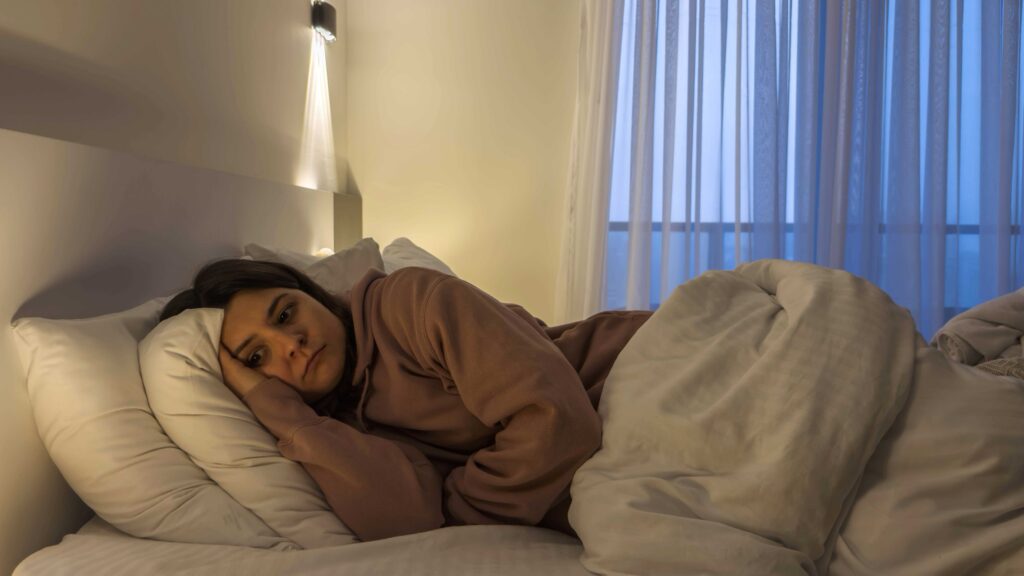
Many autistic teenagers and adults experience periods of autistic burnout. When autism is undiagnosed, the burnout can be mistaken for depression, and many autistic individuals are misdiagnosed with conditions such as depression and anxiety throughout their lives, whilst their core autistic differences are missed.
Daily Exhaustion (Acute Burnout) and Autism
Exhaustion all too often forms a part of daily life for autistic individuals. Being undiagnosed can lead to higher levels of exhaustion due to the lack of self-understanding and understanding and acceptance from others.
Daily exhaustion is often related to the intense cognitive focus needed to navigate social situations, the ongoing anxiety experienced in social situations, coping with environmental stimuli and managing emotions when things do not go exactly to plan.
Autistic individuals often find themselves exhausted on return home from school or work, following a social event or after attending appointments.
Recovery from daily exhaustion is typically achieved after sleep or rest in a quiet space, or after engaging in calming and enjoyable activities for a period.
Chronic autistic burnout is more than daily exhaustion, and it can take some time to recover from a chronic burnout. A cyclical pattern of burnout is common, with individuals finding themselves able to manage daily exhaustion for months or years and then burning out and finding it hard to function for weeks or months.
What does autistic burnout look like?
Burnout is different for different people, but common characteristics of autistic burnout include:
- Physical, emotional and mental exhaustion, making it impossible to keep up with daily tasks
- Unable to attend work or school and experience a sense of overwhelming fear when thinking about these
- Irritability, anger or emotional outbursts
- A loss of skills and abilities, including the ability to vocalise or communicate issues
- Heightened sensory sensitivities, being more sensitive to stimuli in the environment
- Hiding from the outside world, avoiding interactions
What Causes Autistic Burnout?
Autistic burnout happens when an individual becomes exhausted and overwhelmed with the burden of trying to manage neurotypical social norms and expectations, cope with sensory differences and having to manage life changes without support and understanding.
Masking and camouflaging behaviours are a hugely contributing factor to autistic burnout, and autistic individuals who find themselves in positions where they have to interact with others, or manage busy environments on a daily basis, often find themselves in a cycle of burnout.
Life changes and events such as a trauma or loss can cause stress, anxiety and depression for anyone, whether autistic or not.
However, autistic burnout often occurs following a life change that the neurotypical population find exciting or pleasurable. This is partly because autistic individuals can have some difficulty in adapting to changes, especially when they are unpredictable, but more due to changes that bring about new people, expectations and situations, which bring more anxiety and lead to higher levels of masking and camouflaging.
Trigger points for autistic burnout can include:
- Moving to high school
- Leaving home and starting university
- Starting work or changing roles
- Becoming a parent
What is masking and camouflaging, and why does it contribute to burnout?
Many autistic individuals engage in masking and camouflaging behaviours as a strategy to ‘fit in’ with neurotypical social norms and expectations. Masking and camouflaging behaviours involve learning or copying neurotypical social behaviours and then consciously implementing them in day-to-day life, alongside the suppression of autistic behaviours to ‘blend in’ with neurotypical behaviours.
Autistic children can start masking and camouflaging from a surprisingly early age, and most undiagnosed adults have spent a lifetime masking, living with a lifelong sense of being different or not quite fitting in, alongside the ongoing exhaustion that masking causes. Many undiagnosed autistic adults do not share the extent of their masking with others and are often embarrassed by the amount of effort they have to make to navigate the neurotypical world.
Masking and camouflaging involve both sustained cognitive efforts to implement social strategies and the suppression of behaviours that would typically help calm or regulate. A day of masking can leave an individual exhausted and dysregulated, and long periods of these behaviours can cause a complete breakdown in functioning.
Signs that you may be masking and camouflaging include:
- Finding yourself rehearsing conversations before meeting others
- Having a ‘bank’ of phrases, platitudes and questions that you use when in social situations
- Responded to questions with learned, ‘stock’ answers that help avoid any further questions or probing from others
- Finding yourself taking on the characteristics of people around you
- Pretending to show interest in things that you have no interest in
- Feeling dread or fear at the thought of social interaction
- Exhaustion after sustained periods of interaction
- Hiding your hands so people cannot see you tapping, fidgeting or picking your skin
- Keeping your hobbies and interests to yourself
- Feeling irritated, annoyed or unable to concentrate when around bright lights, loud or repetitive noises
- Being unable to enter certain areas because of sensory issues, for example, not entering a café because of the sound of others chewing
How to recover from autistic burnout
Recovering from autistic burnout requires both self-understanding and self-compassion and is helped when others around you recognise and respect your needs.
If you hit a chronic burnout, it is a sign that you need time to regulate and recover. These are some actions that can help with recovery from burnout:
- Take some time off from school, university or work
- Tell others around you what you are going through, ask them to keep interaction with you to a minimum (though it is important that others check in with you)
- Give yourself some time away from digital interaction if this is draining for you, switch off emails and social media
- Find or create a sensory neutral environment at home, shut curtains, wear ear defenders, lie under a heavy duvet or take whatever safe steps you need to balance your sensory input
- Engage in things you love and allow yourself to enter a ‘flow state’, binge on your favourite TV programmes, allow yourself to research things that interest you or work on your hobbies
- Be kind to yourself and remember this state is temporary, and that you need to look after yourself in order to recover
- Sleep!
Burnout can contribute to feelings of low self-worth and mental health issues. If you are having negative thoughts or thoughts that are concerning, it is important that you reach out to your GP or local mental health services for help.
After recovering from burnout, you can think about how you can take steps to prevent burnout from happening again.
Preventing Burnout
In order to prevent burnout, it is important to consider the aspects of your daily life that cause you to feel overwhelmed and take steps that either:
- Reduce the amount of time you spend in these situations
- Enable you to cope with the situations a little more easily
The steps that might help you to achieve this include:
- If you are undiagnosed, access an autism assessment. An autism assessment and diagnosis can help with understanding and acceptance of your differences, help others around you to recognise your needs and also means that employers and educational settings have a legal duty to make reasonable adjustments for you
- Begin to work on understanding and accepting yourself to reduce the masking and camouflaging behaviours that you engage in. You could seek professional help with this, or utilise self-help literature, such as Taking Off the Mask by Dr Hannah Belcher (2022).
- Speak to your employer about the adjustments that could help at work, flexible working arrangements, a quieter office, or permission to switch off MS Teams for periods in the day are examples of things you can suggest
- Make and prioritise time for yourself. Whether it is time to walk in nature, lying in a dark room or watching a favourite TV show, allowing yourself some daily ‘me time’ will help you to regulate
- If you live with others, make a list of things you find difficult at home and consider how these could be adjusted. Would things like doing your grocery shopping online, having a dedicated shower time, or your partner not talking during dinner help reduce the day-to-day overwhelm?
How we can help
If you are undiagnosed but think you may be experiencing autistic burnout, contact us to discuss whether an autism assessment is right for you.