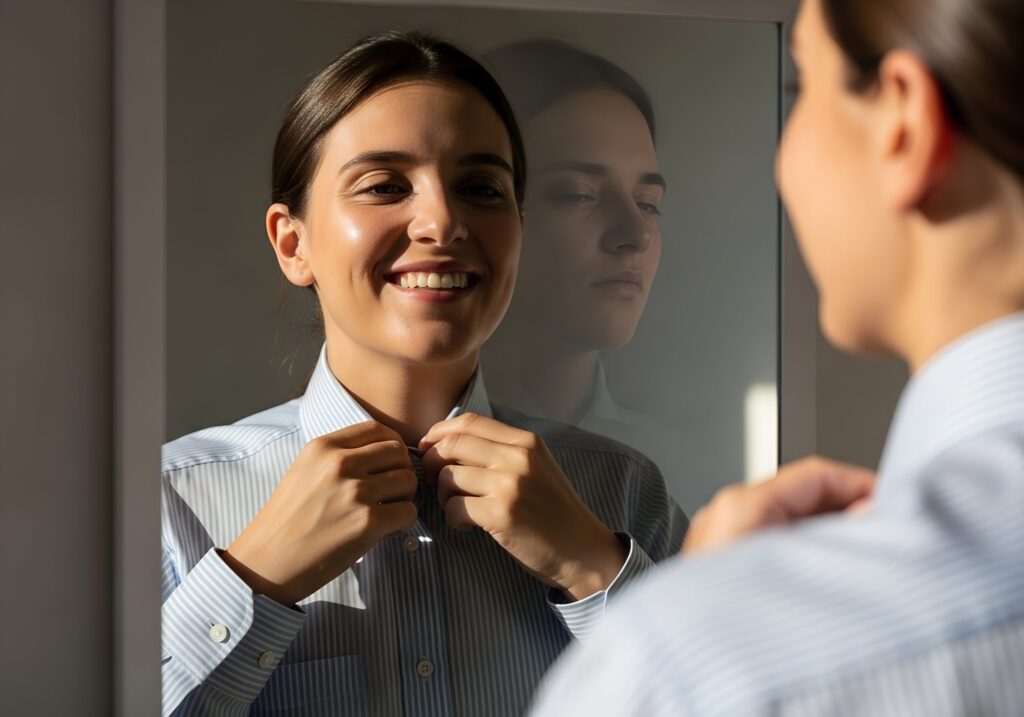
Many people imagine autism as being obvious or easily recognisable. However, for countless autistic individuals, particularly girls, women and those assigned female at birth, autism can remain hidden for years through a process known as masking or camouflaging.
High masking autism refers to a presentation in which an autistic person consciously or unconsciously suppresses autistic characteristics and adopts strategies designed to help them fit into a predominantly neurotypical world. While masking may help individuals navigate social situations, research increasingly highlights the significant emotional, psychological and physical costs associated with maintaining a mask over time.
In this article, Jo Condon, Autism Clinical Lead, explains what high masking autism is, why it occurs, how it presents in children and adults, and the impact masking can have on wellbeing and mental health.
What Is High Masking Autism?
High masking autism is not a separate diagnosis and is not recognised as a distinct category within diagnostic manuals such as the DSM-5-TR or ICD-11. Rather, it refers to the extent to which an autistic person hides, compensates for or camouflages their autistic traits.
Autistic masking describes the strategies autistic people may use to appear socially typical, reduce the likelihood of standing out, or avoid negative reactions from others.
Masking can involve:
- Hiding autistic behaviours
- Suppressing sensory needs
- Carefully monitoring social interactions
- Mimicking neurotypical communication styles
- Rehearsing conversations
- Forcing eye contact
- Concealing distress or overwhelm
Research suggests that masking is often motivated by a desire for social acceptance, fear of rejection, previous experiences of bullying or discrimination, and societal pressure to conform (Hull et al., 2017; Cage & Troxell-Whitman, 2019).
Although masking is commonly discussed in relation to autistic women and girls, it can occur across all genders, ages and intellectual abilities.
What Is the Difference Between Masking and Camouflaging?
The terms masking and camouflaging are often used interchangeably, but researchers sometimes distinguish between them.
Masking refers to suppressing autistic characteristics.
Examples include:
- Avoiding repetitive movements (stimming)
- Forcing eye contact
- Hiding sensory difficulties
- Suppressing autistic communication styles
Camouflaging refers to actively adopting behaviours that make someone appear less autistic.
Examples include:
- Copying social behaviours observed in others
- Learning social scripts
- Mimicking facial expressions
- Rehearsing conversations before social situations
Together, these behaviours can create the impression that an individual does not experience autistic differences, even when they are experiencing significant internal struggles.
At What Age Does Autism Masking Begin?
Masking can begin surprisingly early in childhood.
Some autistic children quickly learn that certain behaviours attract praise while others attract correction or criticism. Through observation and repetition, children may begin copying peers, siblings or adults in order to fit in.
Research suggests that autistic girls, in particular, may develop compensatory social strategies from a young age, making autism less visible to teachers, health professionals and even family members (Dean et al., 2017).
As social expectations become more complex with age, many autistic children become increasingly skilled at masking their difficulties.
Unfortunately, this can delay identification and diagnosis.
Signs You May Be Masking Autism
Many adults only recognise they have been masking after learning more about autism.
Common signs of high masking autism include:
Feeling Like You Are Playing a Role
Many autistic adults describe feeling as though they are acting in social situations.
You may:
- Constantly monitor their behaviour
- Carefully think through conversations before speaking
- Feel that nobody knows their “real” self
- Change their personality depending on who they are with
Some individuals describe feeling like an actor performing a role rather than interacting naturally.
Feeling Different But Not Knowing Why
You may have spent your life feeling different from others, despite appearing successful or socially competent.
You might:
- Struggle to understand social rules
- Find small talk confusing or pointless
- Feel disconnected during conversations
- Frequently misunderstand what others mean
Social Exhaustion
Masking requires significant cognitive effort.
You may find that:
- Social situations leave you exhausted
- You need extended recovery time after work or social events
- You feel emotionally drained after interacting with others
- You struggle to maintain relationships despite wanting connections
Sensory Overload
Many high masking autistic people hide sensory difficulties from others.
You may find:
- Busy environments overwhelming
- Certain sounds physically uncomfortable
- Strong smells distressing
- Bright lights exhausting
- Particular clothing textures difficult to tolerate
Reliance on Predictability
You may work hard to appear flexible whilst privately needing:
- Detailed plans
- Advance notice of changes
- Clear routines
- Predictable environments
When plans change unexpectedly, significant anxiety or overwhelm can result.
Examples of Autism Masking Behaviours
Masking can take many forms and often becomes so automatic that individuals no longer realise they are doing it.
Monitoring and Altering Social Behaviour
- Consciously maintaining eye contact
- Carefully controlling facial expressions
- Constantly analysing social interactions
- Being highly aware of how others perceive you
- Smiling or laughing when expected, regardless of genuine feelings
Rehearsing Social Situations
Many autistic people prepare extensively for interactions.
This may include:
- Practising conversations repeatedly
- Creating mental scripts
- Researching social expectations in advance
- Replaying previous interactions to identify perceived mistakes
Mimicking Others
Some individuals learn social rules by observation.
They may:
- Copy friends’ mannerisms
- Mirror speech patterns
- Adopt interests that appear socially acceptable
- Dress similarly to peers
Hiding Autistic Traits
Examples include:
- Suppressing stimming behaviours
- Avoiding discussion of special interests
- Enduring sensory discomfort without mentioning it
- Concealing anxiety or confusion
Whilst these strategies can facilitate social participation, they often come at a considerable personal cost.
What Impact Does High Masking Autism Have?
Research consistently shows that high levels of autistic masking are associated with poorer wellbeing and mental health outcomes (Hull et al., 2021).
Masking has been linked to:
- Anxiety
- Depression
- Reduced self-esteem
- Social exhaustion
- Identity confusion
- Emotional distress
- Suicidal thoughts
- Autistic burnout
Many autistic adults report spending years feeling as though they must hide fundamental aspects of themselves in order to be accepted.
Over time, this can create significant psychological strain. Read more on the link between autism and mental health here.
Autism Masking and Mental Health
A growing body of evidence suggests that autistic people experience substantially higher rates of mental health difficulties than the general population.
Research conducted by Cassidy et al. (2018) found elevated rates of suicidal thoughts and behaviours among autistic adults, with social camouflaging identified as a contributing factor.
Masking may contribute to mental health difficulties because:
- It requires sustained effort
- It limits authentic self-expression
- It can create feelings of isolation
- Emotional needs often go unnoticed by others
When individuals appear to be coping externally, their internal difficulties may be overlooked by professionals, employers, family members and friends.
What Is Autistic Burnout?
Autistic burnout is a state of profound physical, mental and emotional exhaustion resulting from prolonged demands that exceed a person’s capacity to cope.
Although not yet formally recognised as a diagnostic condition, autistic burnout is increasingly discussed in both research and clinical practice (Raymaker et al., 2020).
Common features include:
- Extreme fatigue
- Reduced tolerance for social interaction
- Increased sensory sensitivity
- Difficulties with communication
- Reduced executive functioning
- Loss of previously acquired skills
Many autistic people identify prolonged masking as one of the primary drivers of burnout.
Acute Burnout
Some individuals experience intense exhaustion following social events, workplace demands or periods of increased social interaction.
Recovery may require hours or days of rest.
Chronic Burnout
Others experience longer-term burnout lasting weeks or months.
This may significantly affect daily functioning, employment, education and relationships.
Autistic burnout is frequently mistaken for anxiety, depression or chronic fatigue, leading to delays in appropriate support.
Why Are High Masking Autistic Women Often Overlooked?
Historically, autism research was heavily focused on boys and men.
Many diagnostic tools and clinical descriptions were developed using predominantly male samples (Lai et al., 2015).
As a result, autistic women and girls often present differently from traditional stereotypes associated with autism.
Research suggests that autistic females may be more likely to:
- Develop compensatory social strategies
- Observe and imitate peers
- Internalise distress
- Maintain friendships despite significant effort
- Hide social confusion
- Receive alternative diagnoses first, such as anxiety disorders
This contributes to many women receiving an autism diagnosis in adulthood, sometimes after decades of misunderstanding their experiences.
Signs of High Masking Autism in Girls
High masking autistic girls often appear socially engaged but experience significant difficulties beneath the surface.
Common signs include:
Friendship Difficulties
- Managing only one close friendship at a time
- Struggling to understand friendship dynamics
- Becoming overwhelmed within groups
- Experiencing frequent friendship breakdowns
Social Fatigue
- Extreme tiredness after school
- Needing long periods alone to recover
- Difficulty maintaining social activities
Social Anxiety
- Reluctance to attend social events
- Worry about making mistakes
- Dependence on parents in unfamiliar situations
Preference for Predictability
- Anxiety about change
- Strong need for routines
- Distress when plans alter unexpectedly
Sensory Differences
- Sensitivity to clothing
- Difficulties with noise
- Food texture preferences
- Overwhelm in busy environments
Because many of these difficulties are internalised, girls are often perceived as shy, anxious or perfectionistic rather than autistic.
Assessment for High Masking Autism
One of the most common concerns raised by adults and parents is:
“What if I mask during the assessment?”
Fortunately, experienced autism clinicians understand masking and recognise that many autistic people have spent years developing compensatory strategies.
Conclusion
High masking autism is increasingly recognised as a significant factor in delayed diagnosis, particularly among women and girls. Whilst masking can help autistic individuals navigate social environments, it often comes at a substantial emotional and psychological cost.
Many people spend years feeling exhausted, anxious or different without understanding why. Recognising masking behaviours can be an important step towards self-understanding, self-acceptance and accessing appropriate support.
Whether you are exploring autism for yourself or your child, a comprehensive assessment by clinicians experienced in recognising high masking presentations can provide valuable clarity and guidance.
References
Cage, E. and Troxell-Whitman, Z. (2019) ‘Understanding the reasons, contexts and costs of camouflaging for autistic adults’, Journal of Autism and Developmental Disorders, 49(5), pp. 1899-1911.
Cassidy, S., Bradley, L., Shaw, R. and Baron-Cohen, S. (2018) ‘Risk markers for suicidality in autistic adults’, Molecular Autism, 9(42), pp. 1-14.
Dean, M., Harwood, R. and Kasari, C. (2017) ‘The art of camouflage: Gender differences in the social behaviours of girls and boys with autism spectrum disorder’, Autism, 21(6), pp. 678-689.
Hull, L., Petrides, K.V., Allison, C., Smith, P., Baron-Cohen, S., Lai, M.C. and Mandy, W. (2017) ‘Putting on my best normal: Social camouflaging in adults with autism spectrum conditions’, Journal of Autism and Developmental Disorders, 47(8), pp. 2519-2534.
Hull, L., Levy, L., Lai, M.C., Petrides, K.V., Baron-Cohen, S., Allison, C., Smith, P. and Mandy, W. (2021) ‘Is social camouflaging associated with anxiety and depression in autistic adults?’, Molecular Autism, 12(13), pp. 1-13.
Lai, M.C., Lombardo, M.V. and Baron-Cohen, S. (2015) ‘Autism’, The Lancet, 383(9920), pp. 896-910.
National Institute for Health and Care Excellence (2021) Autism spectrum disorder in under 19s: recognition, referral and diagnosis (CG128). London: NICE.
Raymaker, D.M., Teo, A.R., Steckler, N.A., Lentz, B., Scharer, M., Delos Santos, A., Kapp, S.K., Hunter, M. and Nicolaidis, C. (2020) ‘Having all of your internal resources exhausted beyond measure and being left with no clean-up crew: Defining autistic burnout’, Autism in Adulthood, 2(2), pp. 132-143.
Wing, L. (1981) Asperger’s syndrome: A clinical account. Psychological Medicine, 11(1), pp. 115-129.