
Yes, a private autism assessment can be accepted by the NHS when it follows NICE guidance, uses recognised diagnostic criteria (DSM-5-TR or ICD-11) and comes with a detailed report showing how the diagnosis was reached. Our assessments for adults, and for children from age 2, are carried out to that standard by a registered multidisciplinary team.
We are a specialist autism service that provides NICE-compliant private autism assessments, recognised by the NHS, schools and local authorities. Our expert clinical team are highly trained and experienced in assessing adults and children from the age of 2 years.
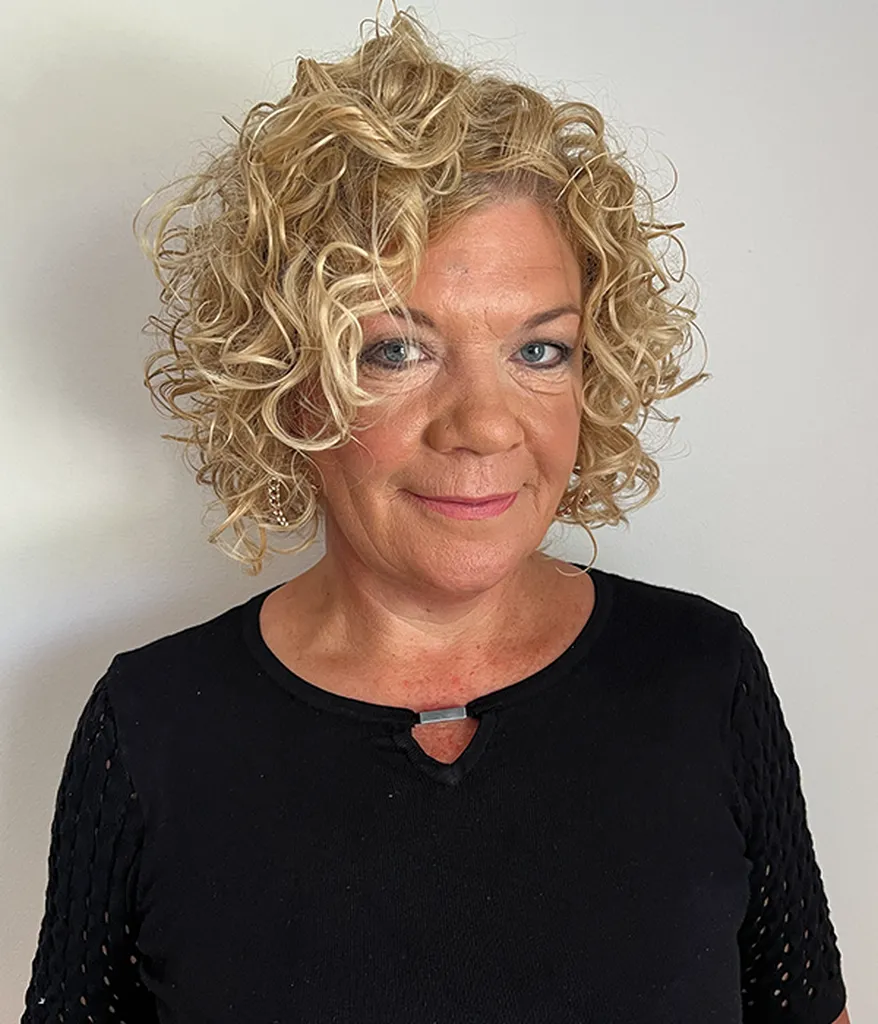
Our clinical lead and director, Jo Condon, is a Registered Mental Health Nurse and former National Autism Lead for Wales with more than 25 years in autism services, and an expert in the diagnostic assessment of autism. Here she explains how our service exceeds the standards expected by the NHS in relation to autism assessment and diagnosis. Our diagnostic reports are routinely accepted by NHS services, schools and other organisations. In choosing Jo Condon Autism Assessments, you can be assured that you will receive the quality and assurance that you or your loved one deserve.
What standards does the NHS expect from a private autism assessment?
There are two key documents that govern autism assessment and diagnosis:
- NICE Guidelines: The National Institute for Health and Care Excellence (NICE) Guidelines relating to autism assessments set out the standards that the NHS are expected to aspire to
- DSM-5-TR: The Diagnostic and Statistical Manual of Mental Disorders, 5th Edition, Text Revision (DSM-5-TR) outlines the diagnostic criteria that must be met in order to issue a diagnosis of autism spectrum disorder
The NHS expects a private autism assessment to have been undertaken in line with NICE guidelines and for a diagnosis to have been made based on the DSM-5-TR diagnostic criteria.
Our assessments exceed these expectations. For a fuller explanation of what the NHS looks for, read our guide: Will a private autism assessment be accepted by the NHS?
Who carries out the assessment?
The NICE guidelines recommend that the autism assessment should be completed by a multidisciplinary team and specify that the team should have relevant professional registration, as well as training and expertise in the evaluation of autism.
Our multidisciplinary team members are all registered with their relevant professional bodies, such as the HCPC or NMC, are DBS checked and have been specifically trained in using specific autism assessment tools. Our clinicians are highly trained in the assessment of autism, but more importantly, have extensive experience in the various ways that autism presents.
Having highly experienced clinicians is extremely important, as we often assess individuals who are high-masking or who have complex histories, such as experiencing childhood trauma or being misdiagnosed with various mental health conditions.
Having super-skilled clinicians is not only important for the diagnostic element of an autism assessment. Most of our clients choose a private autism assessment as they need timely answers. This may be because parents want to understand and offer the correct support for their child, or because their child is struggling in school. Adults often struggle in day-to-day life and want to understand themselves to be able to develop better coping strategies, or because they need adjustments to be able to manage in their employment. Our clinicians are able to provide meaningful recommendations and give specific advice, such as how to apply for an EHCP or what adjustments will be useful in the workplace.
What does the assessment involve?
The NICE Guidelines specify the information that should be gathered and reviewed as part of the assessment process. They state that the use of standardised assessment tools should be considered.
Our assessment process involves gathering a broad range of information, including the information specified in the NICE guidelines. Our clinicians are all trained in the use of gold standard assessment tools, such as the Autism Diagnostic Observation Schedule, 2nd edition (ADOS-2) and the Autism Diagnostic Interview – Revised (ADI-R), and we use internationally recognised gold standard tools in every assessment.
Our team recognises that not everyone’s circumstances are the same, and therefore, we offer a flexible yet robust approach to assessment. For example, if someone does not have an informant who knew them in childhood, we use the Autism Clinical Interview for Adults (ACIA) to gather childhood experiences from the individual themselves and then seek further information from a partner, friend or colleague. If an individual is high-masking, we will use tools such as the Camouflaging Autistic Traits Questionnaire (CAT-Q) to explore this.
At least three clinicians are involved in every assessment we undertake. This ensures that information is gathered and reviewed in fine detail to reach the correct diagnostic outcome. We use the DSM-5-TR criteria for autism spectrum disorder when looking at diagnostic outcome and specify whether or not each of the diagnostic criteria have been met in the report.
What does the diagnostic report include?
Our service provides robust diagnostic reports following an autism assessment. This is an important aspect of the process in terms of ensuring that the NHS accepts our assessments. As outlined above, for the NHS to accept a private autism assessment, they will need to be assured that the process has been carried out in accordance with NICE guidelines and that a diagnosis has been made using DSM-5-TR diagnostic criteria. The only way that NHS professionals can understand how an assessment was undertaken and what information was gathered is through reviewing the diagnostic report.
Our reports are lengthy and detailed and summarise:
- Current concerns
- Early developmental history
- Family history
- Medical history
- Information gathered during the Autism Diagnostic Interview – Revised (ADI-R), the ADI-R scores and what this implies
- Information gathered during the Autism Diagnostic Observation Schedule, 2nd edition (ADOS-2) and what this implies
- Multidisciplinary review and assessment outcome
- DSM-5-TR criteria summary
- Personalised recommendations
- Links to resources and sources of support
By reviewing our reports, NHS colleagues are assured that the assessment has been completed to a high standard and that the diagnosis is accurate.
Want a diagnostic report the NHS can rely on?
What happens after the assessment?
Our service offers a follow-up or feedback session following assessment, which is also recommended in the NICE guidelines. During this session, parents/adult clients can ask any questions they have about their assessment, their diagnostic report or the recommendations that have been made.
As our clinicians are so skilled and experienced, they can answer broader queries in relation to autism during this session. Common queries about the next steps include how to request reasonable adjustments in the workplace, how to apply for an EHCP or what financial assistance might be available.
We also commonly provide advice around specific issues, such as toilet training, managing meltdowns or how to avoid autistic burnout.
Our support does not end here, and we are often called upon to support clients by providing evidence, writing letters of support or offering advice months or even years after the autism assessment has been completed.ments, every diagnostic outcome is reviewed by multiple clinicians before a diagnosis is confirmed.
Who will be my point of contact?
NICE guidelines recommend that there is a ‘case coordinator’ to act as a single point of contact throughout the assessment process. At Jo Condon Autism Assessments, you will be allocated a Clinical Assessment Coordinator who will act as your point of contact for the duration of the assessment process.
Our Clinical Assessment Coordinators understand that everyone has different communication preferences and will liaise with you using your preferred communication method. They will keep you informed of where you are in the assessment process and will always double-check whether appointment times are suitable for you before booking them. Your Coordinator will answer any questions you have in a timely way, and if you need to speak to a clinician at any point, they will arrange this.
How do I know if I need an assessment, and do I need a referral?
The NICE guidelines provide recommendations for broader public services on awareness of autism, recognising autism symptoms and when professionals should refer an individual for an autism assessment.
The NICE guidelines suggest that the 10 Item Autism Quotient questionnaire (AQ-10) is a useful tool in identifying whether an autism assessment is warranted. You can take the AQ-10 for free on our website. A score of 6 or above on the AQ-10 indicates that it is likely that an individual is on the autism spectrum.
We also offer a free initial screening: you share some background information, and one of our clinicians reviews it and advises which assessment, if any, is right for you. If you are unsure whether an autism assessment is the right thing for you or your loved one, contact us, and we will be more than happy to review your experiences and offer advice.
Many of our clients have already been referred for an NHS autism assessment, but are facing ever-growing NHS waiting lists. You do not need a professional referral to access a private autism assessment with us. Adults can self-refer, and parents can refer their children; you can access an assessment with us by completing our online enquiry form or calling us on 0333 044 6007.
Other things to consider when contemplating a private autism assessment
How much does a private autism assessment cost?
Our assessments cost £2,095 with an in-person observation at one of our clinics, or £1,995 if completed fully online. Fees are the same for adults and children, and our cost page sets out exactly what is included.
Commissioning a private autism assessment that meets NHS standards has many benefits, including:
- Reduced waiting times
- No need for a professional referral
- Access to experts
- An assessment process that works around you
- Personal recommendations and advice
However, there is a significant cost for choosing to access your assessment on a private basis. Costs are often influenced by the level of expertise within the team and the rigour of the assessment process.
Can I be assessed online, and where are your clinics?
It may not be possible to find a robust private autism assessment service close to your home, and you may wish to consider completing your assessment online. If you are seeking an assessment for a younger child who needs a face-to-face appointment, it may be worth considering travelling for the one-off session in order to access a high-quality service such as ours.
We can usually complete an autism assessment fully online for anyone aged 10 or over. For those under 10, and those who would prefer an in-person assessment, we have clinics across England and Wales. See Our clinics for the full list and directions.
Summary
We are a specialist autism assessment service that places our clients at the heart of what we do. We offer private autism assessments that are recognised by the NHS, because our process meets and goes beyond the standards set out in the NICE guidelines.
More importantly, at Jo Condon Autism Assessments, we provide robust diagnostic outcomes, a friendly client-focused approach and support and advice for the next steps in your journey.
You can be assured that you or your loved ones are in safe hands with us and can trust our process and outcomes. If you would like to discuss an assessment, reach out to us today.
Book an Autism Assessment
If you are considering an autism assessment for yourself or your child, our experienced clinicians at London Autism Assessments are here to help. We offer private autism assessments for both adults and children, with a clear and supportive approach throughout the process.
Not sure whether an assessment is the right next step? Our free AQ-10 autism screening questionnaire can help you decide whether to explore a full assessment.