Private Child Autism Assessment
Private child autism assessment
At Jo Condon Autism Assessments, we provide NICE-compliant private autism assessments for children aged 2 years and over, offering clear outcomes, detailed reports, and practical recommendations you can use at home and in education settings.
If you’re unsure whether an assessment is right for your child, we offer free screening and carefully review background information before proceeding. If autism is not indicated, we will tell you at no cost.
Who is a child autism assessment for?
Start Your Free ScreeningWhy choose a private child autism assessment
Signs of autism spectrum disorder (ASD)
Difficulties in social communication and interaction
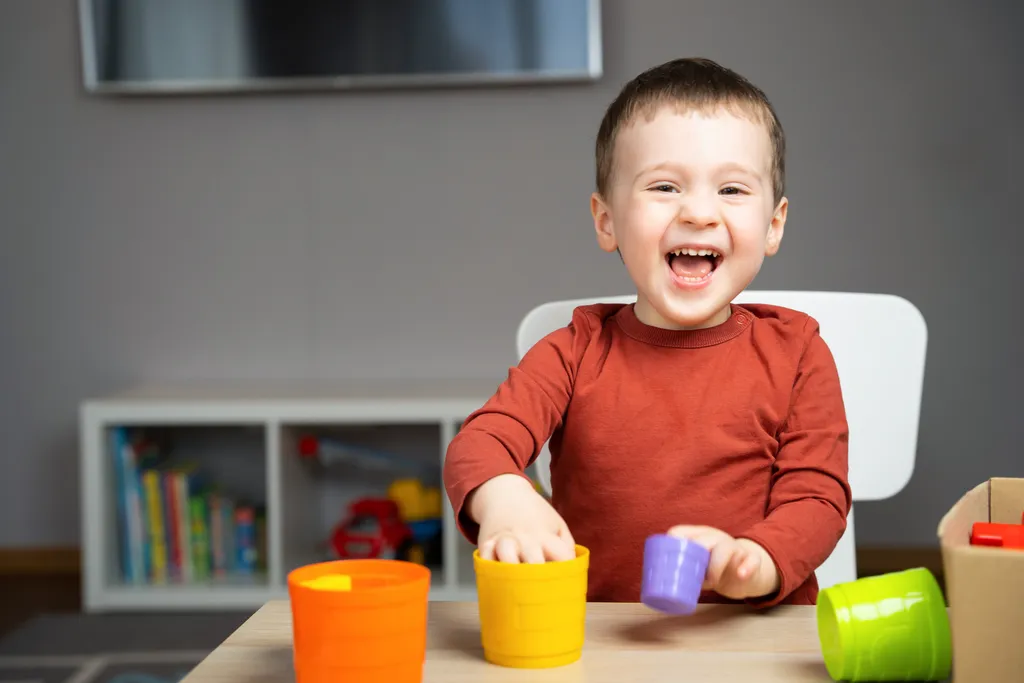
In younger children, this may inclde a significant language delay, limited use of gestures, reduced shared play with peers, or difficulties communicating needs tp parents and caregivers.
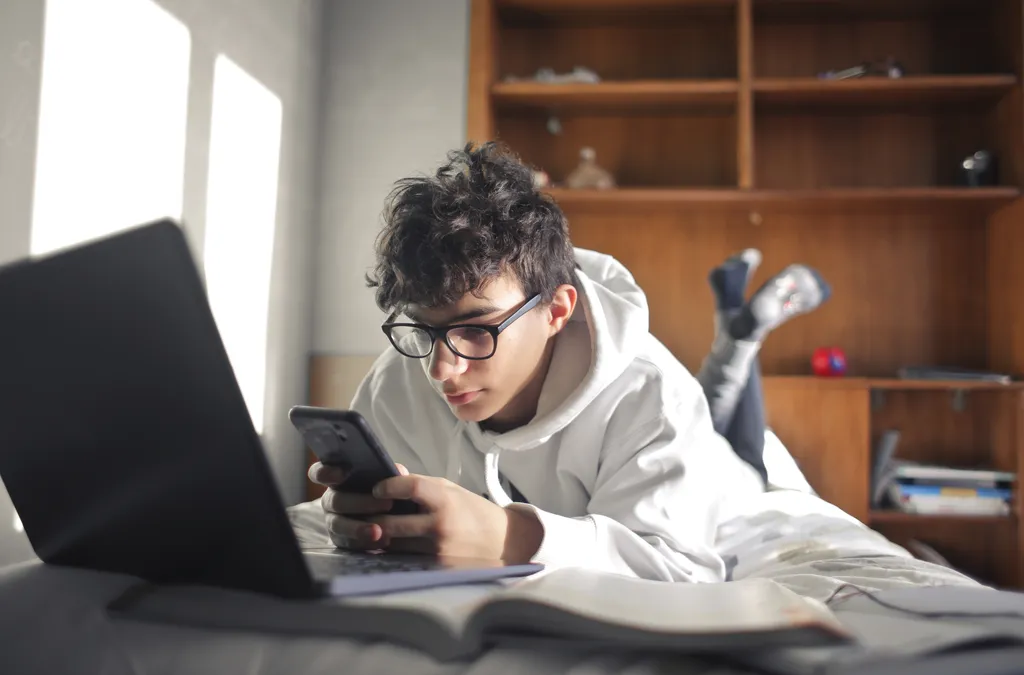
In older children, language skills may be well developed, but they may struggle to understand what others expect, find social situations confusing or exhausting, feel anxious around less familiar people, or need time alone to recover after social interaction.
Restricted and repetitive behaviours and sensory differences
In younger children, physical movements such as hand flapping, finger flicking, or spinning may be more noticeable. In older children, they may appear more subtle and present as finger tapping or knuckle cracking.
Repetitive actions can involve a younger child lining up or stacking toys, or an older child needing to place loved objects in specific places or patterns.
Restricted or intense interests can vary widely. This may include a child only wanting to engage in activities involving numbers, or a teenage girl spending large amounts of time researching and practicing a particular interest, such as make-up techniques.
You can find more details on the signs of autism in children here.
Signs of autism in childrenOur NICE-compliant child autism assessment process
Onboarding
Background Information Gathering and Pre-Screening
Assessment Sessions
Multi-Disciplinary Review
Report and Feedback
You will then be offered a feedback session. During the feedback session your clinician can answer any questions you have about the report or recommendations and provide you with advice about next steps.
Autism assessment report
The benefits of an autism diagnosis
A diagnosis will also ensure adjustments are made in education placements and may enable access to any additional support needed.
If your child is showing the pattern of differences associated with autism, you should get them assessed. If you are unsure whether an autism assessment is right for your child, you can complete a free autism test below.

Private child autism assessment
Our autism assessment clinics
Birmingham
Learn MoreBristol
Doncaster
Learn MoreHuntingdon
Learn MoreManchester
Learn MoreNewport
Learn MoreNottingham
Learn MoreSheffield
Learn MoreSwansea
Learn MoreWorksop
Learn MoreYork
Learn MoreNewcastle upon Tyne
Learn MorePrivate autism assessment cost
Children aged between 2 and 10 years will need to be seen at one of our clinics. For children aged 10 years and over, we offer full online assessments as well as face-to-face assessments if preferred.
You can find the full list of our clinics here
Frequently Asked Questions
Will a private child autism assessment be recognised by the NHS and other organisations?
The NHS will accept private autism assessments as long as they have been completed robustly and in line with national standards. As long as you use a reputable company, such as ourselves, you can be assured that your child’s assessment, report and diagnostic outcome are evidence-based and will be recognised by other services.
To be recognised, an assessment must:
- Meet NICE guidelines
- Be completed by appropriately registered clinicians (HCPC, NMC, etc.)
- Produce a comprehensive diagnostic report
You can read more about whether a private autism assessment will be recognised in our information section here.
Are your child autism assessments NICE-compliant?
The National Institute for Clinical Excellence (NICE) sets out the expected standards for autism assessments in its NICE Guidelines. Our child autism assessments follow NICE guidelines; therefore, you can be assured that our autism assessments are NICE-compliant. You can find out more about the NICE guidelines here.
Will my child’s school accept a private child autism assessment?
Yes, schools and nurseries must accept a private child autism assessment that has been completed by registered professionals and meets National standards.
Do you offer combined autism and ADHD assessments for children?
If your child is experiencing traits of both autism and ADHD, often referred to as AuDHD, you may want them to be assessed for both conditions. We provide NICE compliant combined autism and ADHD assessments for children aged 6 and over, you can find out more about the AuDHD assessment process here.
What if I’m unsure whether my child needs an autism or ADHD assessment, or both?
If you are not sure whether your child’s differences point to autism, ADHD or both, our free pre-screening process is designed to help. You provide us with some background information about your child, and one of our clinicians reviews it and advises which assessment — if any — is the right fit for them. There is no cost or obligation at this stage, and the aim is simply to make sure you are pointed towards the most appropriate assessment. Feel free to contact us to discuss.
Does my child need to be referred by the school or our GP?
Parents or those with parental responsibility can refer their child for a private autism assessment. You do not need a referral from your GP or another professional to access an autism assessment with us. You can refer your child by completing our online form, calling or emailing us.
Will you be able to diagnose other conditions when conducting a child autism assessment?
We cannot diagnose other conditions during an autism assessment, but if we see signs of other potential conditions, we will recommend further assessment for these. During an autism assessment, we gather extensive information about your child. Within this information, we may see patterns of behaviours or experiences that point to another condition co-occurring alongside autism, such as ADHD. If this is the case, we will discuss this with you and make appropriate recommendations.
At what age can autism be diagnosed?
An autism assessment can typically be conducted from the age of 2
My child is high-masking, I am worried that you will not see their autistic traits during an assessment?
Camouflaging and masking are strategies used by many autistic children to hide their differences. Our clinicians are specialists and observe the nuances of social communication and interactions during the assessment. Whilst autistic characteristics may not be obvious to untrained adults, our team will be able to recognise the signs.
You can find out more here.
What if my child is electively home educated?
You can still access an autism assessment if your child does not attend an education setting. We can use various other sources of information to complete an assessment for your child.
How much does a private autism assessment for a child cost?
The cost of a children’s autism assessment with us ranges between £1995 and £2095, depending on whether you choose a fully online assessment or the in-person option. Children under 10 must be seen in-person. You can find out more here.
Can a private autism diagnosis be used as evidence for an EHCP?
You can use a private autism diagnosis as evidence of your child’s special educational needs during the EHCP process. There is no legal difference between a private and NHS diagnosis you can find out more here.