Introduction
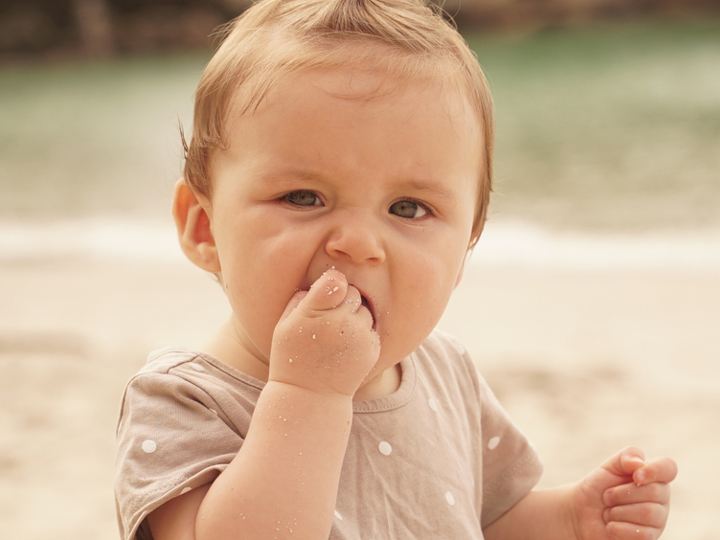
Many young children explore the world by putting objects in their mouths. However, when a child persistently eats non-food items beyond the age where this would typically be expected, this may indicate a condition known as pica. Pica is more common in autistic children than in the general child population and can present significant health risks if left unaddressed.
For parents, discovering that their child is eating items such as paper, soil, chalk, hair, stones, fabric or other non-food materials can be worrying. This article explores the possible causes of pica in autistic children and provides some useful strategies to help reduce the behaviour.
What Is Pica?
Pica is a recognised feeding and eating disorder characterised by the persistent consumption of non-food, non-nutritive substances.
Examples may include:
- Paper or cardboard
- Soil or dirt
- Sand
- Chalk
- Hair
- Fabric
- Soap
- Paint
- String
- Stones
- Metal objects
While mouthing objects is a normal part of development in babies and toddlers, persistent ingestion of non-food substances beyond the age of 2 is not considered developmentally typical.
DSM-5 Diagnostic Criteria for Pica
The Diagnostic and Statistical Manual of Mental Disorders, Fifth Edition (DSM-5), outlines the diagnostic criteria for pica as:
- There is persistent eating of non-nutritive, non-food substances for at least one month.
- The behaviour is inappropriate to the individual’s developmental level.
- The behaviour is not part of a culturally supported or socially accepted practice.
If the behaviour occurs alongside another condition, such as autism spectrum disorder or intellectual disability, it is sufficiently severe to warrant independent clinical attention.
How Common Is Pica in Autistic Children?
Evidence indicates that pica occurs significantly more frequently in autistic children than in the general population.
A large USA study examining children aged 30–68 months found:
- Approximately 3.5% of children in the general population engaged in pica.
- Around 23.2% of autistic children engaged in pica behaviours.
- Prevalence rose to 28.1% in autistic children who also had an intellectual disability.
- Around 14% of autistic children without intellectual disability were reported to engage in pica.
Nutritional Deficiencies:
There have been some identified links between pica and:
- Iron deficiency
- Zinc deficiency
- Other nutritional deficiencies
In some cases, treating an underlying deficiency reduces pica behaviours.
Why Is Pica More Common in Autism?
There is no single explanation for why pica occurs. It is likely that a combination of biological, sensory and behavioural factors may contribute.
Sensory-Seeking Behaviour:
Sensory differences are common in autism.
Some autistic children actively seek sensory experiences through:
- Chewing
- Mouthing
- Licking
- Smelling objects
Different substances provide different textures, tastes and sensory feedback. For some children, eating non-food items may fulfil a sensory need. Sensory sensitivity and sensory-seeking behaviours have both been associated with pica.
Difficulties Recognising Non-Edible Items:
Some autistic children may have difficulties in discriminating non-edible items from edible substances.
Emotional Regulation and Anxiety:
Some children may engage in pica during periods of:
- Stress
- Anxiety
- Boredom
- Understimulation
- Emotional overwhelm
The behaviour may become calming or predictable and therefore be repeated; pica may also become a compulsive behaviour.
Communication Differences:
Some autistic children find it difficult to communicate needs such as hunger, discomfort, sensory needs or distress. In some cases, pica may become associated with unmet needs that have not yet been communicated effectively
Health Risks Associated with Pica
Pica should always be taken seriously because it can result in significant medical complications.
Potential risks include:
- Choking
- Poisoning
- Intestinal blockages
- Dental damage
- Gastrointestinal injury
- Infections
- Exposure to parasites
In rare but severe cases, pica can be life-threatening.
Assessment and Medical Investigation
If your child is persistently eating non-food items, you should talk to your GP, who may refer your child to a paediatrician or dietician.
A GP or paediatrician may consider performing blood tests to check for nutritional deficiencies.
Support and Intervention Strategies
Environmental Safety and Supervision:
Pica can cause significant health complications, and therefore supervision and increasing environmental safety are extremely important. Safety is the main priority.
Practical strategies include:
- Storing hazardous items securely.
- Increasing supervision during high-risk times.
- Conducting regular environmental checks.
- Removing preferred non-food items where possible.
- Ensuring everyone who supports your child, including nursery or school, are aware of your child’s pica and how to manage the associated risk
Nutritional Deficiencies:
If a nutritional deficiency has been identified, treating this may reduce pica.
Provide Alternative Sensory Input:
If sensory-seeking is a contributing factor, alternatives may help meet the same sensory need safely. Biting non-edible items can provide oral sensory feedback, which your child may find calming or stimulating. Offering a safe sensory alternative may help reduce pica.
You could try:
- Chewelry (chewable jewellery)
- Crunchy foods
- Ice lollies
- A muslin cloth
- A vibrating toothbrush
Always supervise your child when they are eating, mouthing or chewing.
Offer Frequent Snacks:
Offering frequent snacks may help reduce your child’s pica. Offer a snack every 45 minutes or so.
Help Your Child to Recognise Non-Edible Items:
Autistic children may struggle to differentiate non-edible items form edible ones.
You can help your child to learn this skill by:
- Playing sorting games with your child. For example, place a mix of edible and non-edible items on the table and encourage your child to place edible items on a plate and non-edible items in a box or small bin
- Have an edible item, such as a breadstick, on hand. When you see your child pick up a non-edible item to eat, gently block their hand and replace the item with the edible food
- Use consistent language to help your child differentiate between edible and non-edible items, for example, saying “yummy” when they have an edible item in hand and “yuck” when they try to mouth a non-edible item
Try To Identify Triggers:
Observe your child for possible triggers for the behaviour. Keep a note, do you notice that your child is more likely to try to eat non-edible items when they are:
- Hungry?
- Tired?
- In a new environment?
- Anxious?
- Annoyed?
If you can identify a pattern, addressing the underlying issue may help to reduce the pica.
When Should Parents Seek Help?
You should seek advice from your GP or health visitor if:
- Your child regularly eats non-food items.
- The behaviour has persisted for more than a month.
- The behaviour is increasing.
- You suspect nutritional deficiencies.
Pica is associated with autism and learning disabilities. If your child does not have an autism diagnosis, it may be beneficial for you to learn about other signs of autism in children. If you are recognising autism characteristics in your child, you should consider an autism assessment.
Conclusion
Pica is a recognised feeding and eating disorder that involves the persistent consumption of non-food substances. It is considerably more common in autistic children than in the general population and may be linked to sensory-seeking behaviours, nutritional deficiencies, emotional regulation needs and communication differences.
Although pica can pose significant health risks, appropriate assessment and intervention can make a substantial difference. Medical investigation, sensory supports, communication strategies, environmental modifications and behavioural approaches can all play an important role in helping children stay safe and reducing pica behaviours.